

If you're a parent in Lindenhurst, West Babylon, Copiague, North Lindenhurst, or anywhere within a short drive, you're probably asking a simple question. What's the smartest martial art for my child to start, and will it be safe?
My answer is direct. Brazilian Jiu-Jitsu is the most effective martial art for kids, and for many families, no gi is the easiest place to start. It teaches control instead of chaos, problem-solving instead of panic, and confidence that comes from skill, not from acting tough. The catch is that your child needs a coach who knows how to teach children correctly.
That's where parents need to be picky. A flashy class means nothing if the instruction is sloppy. In this area, the combination that matters is clear: strong fundamentals, clean safety rules, and a proven teaching system shaped by Caio Terra, the 12-time IBJJF World Champion, whose approach is built on precision, body control, and step-by-step learning.
What Is No-Gi Brazilian Jiu-Jitsu for Kids
Your child walks into class after school with a lot of energy and not much patience for standing still. No gi Brazilian Jiu-Jitsu gives that energy a job. Kids learn how to move, control space, stay safe under pressure, and solve physical problems without relying on size or aggression.
No gi BJJ for kids is Brazilian Jiu-Jitsu practiced without the traditional gi. Children train in a rash guard and grappling shorts, and the focus shifts to movement, balance, posture, head position, and clean control. Instead of grabbing sleeves and collars, they learn how to use frames, underhooks, hip movement, and pressure to manage an opponent safely.

Why kids connect with no gi so fast
A lot of Lindenhurst parents want an activity that is structured but still feels natural to their child. No gi usually checks that box faster than parents expect.
Kids understand it because the feedback is immediate. If their posture is off, they feel it. If their base is strong, they stay on top. If they move their hips correctly, they escape. That kind of learning sticks.
- It feels more natural: The movement looks closer to wrestling, scrambling, and controlled roughhousing than uniform-based grip fighting.
- It teaches timing over force: A smaller child starts to see how position and angles beat strength.
- It builds body awareness: Kids learn where their head, hands, hips, and feet need to be in every exchange.
That last part is more significant than many parents realize because body awareness carries over into other sports, better coordination, and calmer reactions when things get physical.
Why proper no gi instruction matters
No gi is not kids rolling around and hoping for the best. Good classes are tightly coached. The instructor sets the pace, the rules, the partner pairings, and the technical goal of every drill.
That is why the teaching method matters so much. A program shaped by the Caio Terra system gives kids a clear progression. They learn posture before pressure, control before submissions, and safe repetition before live resistance. At Korfhage BJJ, that approach gives local families in Lindenhurst a direct path into world-class Jiu-Jitsu instruction without having to guess whether the curriculum is solid.
Practical rule: Choose a kids program that talks constantly about control, positioning, and safe training habits. Those are the signs of a serious academy.
If you want a clearer picture of how this style overlaps with wrestling-based grappling, look at these submission wrestling classes near Lindenhurst. For many beginners, that movement-based style makes no gi an easy and productive starting point.
Key Differences Between No-Gi and Gi Jiu-Jitsu
Parents usually notice the uniform first. That's the least important difference. The difference is how kids solve problems in each format.

Side-by-side comparison
| Area | No-Gi | Gi |
|---|---|---|
| Clothing | Rash guard and grappling shorts | Traditional gi and belt |
| Primary control | Wrist control, underhooks, head position, body lock concepts | Sleeve grips, collar grips, pant grips |
| Pace | Faster, more fluid, more scrambles | Slower, more grip-heavy, often more methodical |
| Beginner feel | Often easier for active kids who like movement | Often better for kids who enjoy slower positional battles |
No gi usually clicks faster for energetic children. They can move, change direction, and recover without getting tangled in fabric. Gi training has value too, especially for slowing things down and teaching patience. But if your child already loves roughhousing, wrestling, or fast-paced sports, no gi often fits their personality better.
What matters for self-defense and takedowns
My strong opinion is this: If your child can't manage distance, posture, and takedowns, they're missing a huge part of practical grappling. No gi pushes those skills to the front.
For children starting BJJ in the Lindenhurst area, No-Gi is superior for developing wrestling skills. Kids trained in No-Gi BJJ showed a 40% higher success rate in wrestling takedowns than kids trained only in gi, according to the 2024 US Wrestling Association developmental report referenced here.
That doesn't mean gi is bad. It means no gi gives children more reps in the kind of movement that shows up in real scrambling situations.
Gi teaches control through fabric. No gi teaches control through connection. Kids benefit from both, but many beginners gain confidence faster in no gi.
If you want to understand how clothing changes the game for grappling and mixed rulesets, the local breakdown on gi training for MMA crossover athletes is useful context too.
Lifelong Benefits of No-Gi BJJ for Lindenhurst Youth
Parents usually start with one goal. Maybe they want their child to build confidence. Maybe they want better focus. Maybe they just want their kid off a screen and into a structured activity.
Then they watch BJJ for a few months and realize something bigger is happening.

Why BJJ stands above other martial arts
I don't recommend youth martial arts based on tradition. I recommend them based on what they teach under pressure. BJJ teaches kids to stay calm, solve problems, and control another person without relying on strikes.
That matters because Brazilian Jiu-Jitsu prioritizes technique over strength, and it has a 90% lower rate of serious trauma compared to striking arts. In Lindenhurst, academies using a Fundamentals First approach, with 85% of class time dedicated to positional drills, have helped reduce youth injury rates by 45% in New York schools since 2015, according to this BJJ program overview for Long Island families.
Those numbers line up with what many parents already sense. When a child learns to control position, escape pressure, and stay composed, they're building real skill without taking repeated hits.
What kids carry off the mat
The benefits that last aren't the medals. They're the habits.
- Composure under stress: Kids stop panicking when something feels difficult.
- Better decision-making: Every live round is a problem-solving exercise.
- Respect without passivity: They learn boundaries and control, not bullying.
- Confidence that shows up at school: A child who knows how to handle pressure often carries themselves differently in class and around peers.
That's one reason no gi kids programs help smaller or quieter children so much. BJJ gives them proof that they can handle physical pressure intelligently.
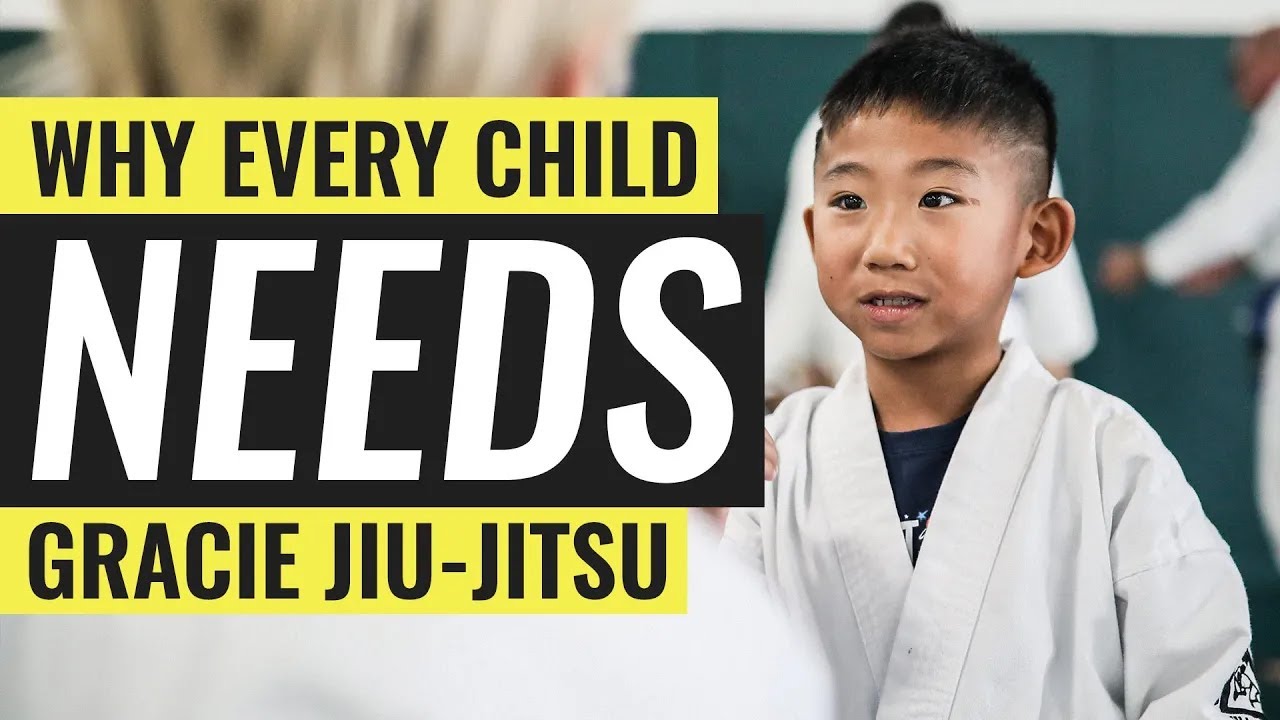
Here's a good example of the pace and movement parents are often curious about:
Why local parents should care
In Lindenhurst and nearby towns, kids already have plenty of sports options. Most are good for fitness. Fewer are good for self-protection, emotional control, and technical thinking at the same time.
A child doesn't need to become aggressive. They need to become capable.
That's why I keep coming back to BJJ. It gives kids a practical way to understand mechanical advantage, responsibility, and resilience. If the school teaches it correctly, the child grows stronger without becoming reckless.
Why a Great Instructor and Proven Curriculum Are Everything
A kids no gi class can look busy and still be poorly taught. Parents in Lindenhurst should judge the room by structure, correction, and control, not by how hard the class works up a sweat.
A strong coach makes safety visible. You should see clear pairings, tight supervision, simple goals for each round, and constant correction of stance, posture, frames, head position, and pace. Kids improve faster in that kind of room because they are not guessing their way through live movement.

What parents should demand from a coach
Start with teaching quality. A good instructor knows when a child needs more resistance, when they need more reps, and when they need to slow down and regain position before anything else. That judgment protects kids and builds clean technique.
Ask direct questions:
- How do you group beginners by age, size, and maturity?
- How do you teach control before submissions?
- How do you handle a child who gets too rough or too frustrated?
- What skills should a new student learn in the first few months?
If the answers are vague, keep looking.
The right program for children teaches position first, then pressure, then timing. That is one reason the Caio Terra methodology works so well for young students. It breaks jiu-jitsu into teachable pieces, gives kids repeatable patterns, and keeps the class from turning into a scramble contest. That matters for families in Lindenhurst, West Babylon, Copiague, Babylon, and the nearby area who want real instruction instead of random drills.
Why Caio Terra's approach fits kids
Caio Terra built his reputation on precision. Kids benefit from that style because technical details are taught early, not saved for later.
A sound curriculum should emphasize:
- Positional understanding: Kids learn where to place their body before they try to finish anything.
- Mechanical control: Hips, posture, shoulder pressure, and head position are taught as daily habits.
- Step-by-step progress: One skill builds into the next, so children can measure improvement.
- Calm repetition: Reps have a purpose, which keeps class focused and safer.
That is what separates a real curriculum from a coach just calling out moves.
Parents should also vet the adults in the room. Background checks, supervision standards, and clear safety policies matter in any youth sport. If you want an outside reference for that, VolunteerBadge's youth sports safety guide is worth your time.
What this looks like in a real academy
At a well-run academy, kids are not left to figure things out on their own. The coach sets the pace, matches partners carefully, stops sloppy behavior early, and makes sure children know how to hold position before they add speed. Even gear choices support that standard. Proper no gi clothing reduces grabbing problems and distraction during training, and parents can get a clear idea of what works from this guide to kids' BJJ compression shorts for no gi training.
Korfhage BJJ | Caio Terra Academy Long Island is a local example parents should pay attention to. The value is not hype. It is the combination of a proven teaching system, consistent coaching, and a room run with enough discipline that children can learn safely and steadily. For families within about 10 miles of Lindenhurst, that combination is what makes no gi worth your time and your child's effort.
Your Child's No-Gi Gear and Hygiene Checklist
Your child is excited for class. You are trying to figure out what to buy without wasting money on gear they do not need. Start simple. In a well-run no gi program, the right clothing and clean habits matter far more than a big shopping haul.

For Lindenhurst parents, the goal is straightforward. Buy gear that stays in place, does not create safety problems, and lets your child focus on learning the Caio Terra method instead of fixing their clothes every round.
What your child should wear
If your child plans to compete, follow current event rules. This summary of IBJJF No-Gi uniform requirements gives parents a solid baseline for rash guard coverage, approved colors, and short design.
For regular class, keep the checklist tight:
- Rash guard: Fitted, comfortable, and long enough to stay down during scrambles.
- Grappling shorts: No pockets, no zippers, no buttons, no loose material.
- Compression layer: A good base layer helps with coverage and comfort. Parents comparing options can review these BJJ compression shorts for training.
- Mouthguard: A smart add-on for older kids, competition class, or any child who rolls with more intensity.
- Water bottle: Bring one every class.
Fit and safety features are the top priority for no gi. Loose shirts ride up. Regular gym shorts catch toes and fingers. Cheap gear becomes a distraction fast.
If you are also shopping for other activities, this guide to essential gear for youth sports offers a broader parent checklist.
Hygiene rules parents should treat seriously
Clean gear is part of safe training. Any academy worth your trust should expect washed clothing every class, trimmed nails, no jewelry, and no training with a rash, ringworm concern, or illness. Those are baseline standards, not optional extras.
That matters even more with kids. No gi has more skin contact, more movement, and more chances for scratches if a school gets sloppy. A disciplined room prevents a lot of avoidable problems before they start.
Send your child to class with:
- Trimmed fingernails and toenails
- Freshly washed rash guard and shorts
- No necklaces, earrings, bracelets, or rings
- Any small cut covered properly
- Clear skin and no signs of sickness
Teach this early and stick with it. Kids who train under a proven system like the one used at Korfhage BJJ | Caio Terra Academy Long Island should learn that hygiene is part of being a reliable teammate, just like listening, drilling carefully, and respecting their partners.
How to Start Your Child's BJJ Journey in Lindenhurst
If your child is curious, don't wait for the perfect moment. Start with one class and pay attention to the room.
Watch how the instructor speaks to the kids. Watch whether the class is organized. Watch whether beginners get guidance instead of being thrown into chaos. Those signs tell you more than any sales pitch.
For families in Lindenhurst, Babylon, Copiague, Amityville, West Islip, and the surrounding area, no gi BJJ makes sense because it's practical, engaging, and easier for many beginners to connect with right away. When that training is shaped by the Caio Terra method, kids get structure instead of randomness. They learn movement, control, and confidence in a way that endures.
Parents should also pay attention to how seriously a school handles mat care. A simple outside resource like these essential tips for cleaning wrestling mats gives you a good sense of what clean training standards should look like.
If you want a low-friction way to test whether BJJ fits your child, there's a straightforward option locally. New students can start with a $99 unlimited classes trial at 99 W. Hoffman Ave, Lindenhurst. That's a practical way to see how your child responds to the structure, pace, and coaching before making a bigger commitment.
If you're a parent in Lindenhurst or within 10 miles and you want your child in a structured, safety-focused BJJ program, take a look at Korfhage BJJ | Caio Terra Academy Long Island. The academy offers a $99 unlimited classes trial at 99 W. Hoffman Ave, Lindenhurst, so your family can see how the program fits before deciding on next steps.