

You're probably here for a simple reason. You live in Lindenhurst, or nearby in Copiague, West Babylon, Babylon, North Lindenhurst, or Amityville, and you want to feel harder to intimidate.
Not paranoid. Not looking for a cage fight. Just more capable.
That's a smart reason to start. Most adults looking at self defense classes for adults aren't chasing belts or trophies. They want practical skill, better awareness, and confidence they can use in a parking lot, on a sidewalk, near a train platform, or during any ugly close-range confrontation where things get physical fast.
I'll give you the direct version. If your goal is real self-defense, stop thinking like a spectator and start thinking like a problem solver. The problem isn't “which martial art looks toughest.” The problem is this: what works when someone bigger grabs you, drives into you, or puts you on the ground?
That's where Brazilian Jiu-Jitsu separates itself from most of the field. And if you're training in the Lindenhurst area, the instructor matters just as much as the style.
Why Lindenhurst Adults Are Seeking Self Defense Skills
A lot of adults start thinking about self-defense in ordinary moments. You leave a grocery store after sunset. You're walking across a lot with your keys in your hand. You hear footsteps behind you. Nothing happens, but your body still reacts. That reaction is real, and it's often what pushes people in Lindenhurst and nearby towns to finally look into training.

Confidence is usually the first goal
Most beginners say they want to learn how to protect themselves. What they usually mean is they want to stop feeling helpless. That's a good instinct. Structured self-defense training has been studied as more than a motivational activity. The University of Oregon's research on empowerment self-defense says it is the only form of self-defense training with research evidence supporting its effectiveness, and reports broader benefits like decreased fear and anxiety along with increased confidence, self-efficacy, and self-esteem.
That matters because confidence isn't fluff. Confidence changes posture, voice, decisions, and willingness to set boundaries early.
If anxiety is part of what's driving your search, a simple outside resource like this anxiety checklist can help you separate everyday stress from a real need for support while you build practical skills.
Demand has grown because adults want something useful
This isn't a niche interest anymore. A compiled industry summary says U.S. Google searches for “self-defense classes” increased by 200% from 2018 to 2021, and there were over 6.9 million martial arts participants in 2020 according to this self-defense statistics summary.
Adults are looking for training because they want something concrete. They don't want slogans. They want a class that changes how they carry themselves and how they respond under pressure.
Practical rule: If a class only makes you feel inspired for one hour but doesn't make you more capable the rest of the week, it's not enough.
Around Lindenhurst, that means choosing training that fits real adult life. You need something you can stick with after work, something beginner-friendly, and something that teaches control instead of panic. That's the standard to use from here on out.
Comparing Common Self Defense Systems
Most articles make this too polite. They list every martial art like they're all equal. They're not.
If you're an adult beginner looking at self defense classes for adults, the question is simple. What gives you the best chance when someone larger, stronger, or more aggressive gets too close? You don't need a cultural tour of martial arts. You need a system that survives contact.

The short version
Striking arts can teach timing, distance, and composure. Tactical systems often emphasize aggression and scenario work. Grappling arts, especially BJJ, deal directly with grabs, clinches, pressure, and ground contact.
That last part is why grappling matters so much.
Self-Defense System Comparison for Adults
| System | Core Principle | Handles Size Disadvantage | Fitness Demand | Best For |
|---|---|---|---|---|
| Striking arts | Punches, kicks, movement, distance | Limited if a larger person closes distance and grabs | Moderate to high | Fitness, timing, stand-up coordination |
| Tactical systems | Scenario drills, aggression, simple responses | Mixed, depends heavily on quality control and live training | Moderate | Awareness, verbal boundary-setting, fast-intensity drills |
| Brazilian Jiu-Jitsu | Leverage, positional control, escapes, submissions | Strong, because it's built around control without relying on power | Scalable for beginners | Realistic close-range self-defense, restraint, confidence |
Where striking helps and where it breaks down
Karate, kickboxing, and boxing can absolutely make you sharper. They improve footwork, composure, and your ability to hit. But self-defense isn't a clean stand-up exchange. A bigger person often crashes distance, grabs clothing, ties up your arms, or drives you backward.
When that happens, pure striking starts losing reliability. You can't count on space if the other person won't give it to you.
Tactical systems can be useful, but quality varies wildly
Krav Maga and similar systems often market themselves well because they sound realistic. Sometimes they are. Sometimes they're just rehearsed moves with compliant partners. The gap between “we practiced it” and “I can do it on a resisting person” is huge.
A good tactical program should include reaction drills, ground work, escapes, sparring, and live defense work. If it doesn't, you're learning theory with adrenaline attached.
A self-defense move that only works on a cooperative partner is choreography.
Why grappling keeps showing up
Grappling addresses the exact range most adults fear. Being grabbed. Pushed. Pinned. Taken down. Held in place.
It also gives you options short of injuring someone badly. This is a practical concern. Restraint, escape, and positional control are often smarter than trying to trade punches. For adults in Lindenhurst, Babylon, and the surrounding area, that makes BJJ the most practical lane if your priority is self-protection instead of performance.
Why BJJ Is the Most Effective Form of Self Defense
A real self-defense situation for an adult rarely starts at punching range. It starts with someone too close, hands on you, your balance broken, and your brain trying to catch up. That is exactly why Brazilian Jiu-Jitsu beats most other systems for practical self-protection.

BJJ trains the range where adults get overwhelmed. Grabs. Clinches. Tackles. Pins. Wall pressure. Ground contact. If you do not know how to stay balanced, protect your posture, create space, escape bad positions, and get back on top or back to your feet, you are guessing under stress.
That is the problem BJJ solves first.
BJJ works when strength is not on your side
Good self-defense has to hold up when you are startled, tired, off-balance, or outweighed. BJJ gives smaller adults a method for controlling space, managing pressure, and improving position without depending on knockout power or pure athleticism. As explained in this BJJ self-defense overview, the art relies on balance, movement, and sound mechanics to control a larger person.
That matters.
Adults in Lindenhurst are not training for a movie scene. They need skills that still function if the other person is bigger, younger, stronger, or reckless. A system that depends on being faster and more explosive than the attacker is a poor plan for long-term self-defense.
The parts of BJJ that matter in real life
For self-defense, the useful part of BJJ is not fancy sport movement. It is the part that helps you stay safe and get out.
- Clinch control: dealing with body contact, head position, posture, and balance
- Takedown prevention: making it harder for someone to dump you or drive through you
- Escapes: getting out from under someone who has pinned or mounted you
- Standing up safely: returning to your feet without giving up another opening
- Top control: holding someone long enough to disengage, call for help, or leave
Those skills transfer because they are trained against resistance. Your partner is trying to stop you. That pressure is what makes the training honest.
Caio Terra's approach fits adult self-defense
The system matters. The lineage matters more than beginners realize.
Caio Terra built his jiu-jitsu around precision, timing, and clean mechanics. That style is a strong fit for adult self-defense because it rewards correct structure over panic and force. A good coach from that lineage teaches students how to solve bad positions step by step. Posture first. Frames first. Inside control first. Then escapes, reversals, and restraint.
That approach gives beginners something reliable to fall back on when the situation gets ugly.
If you want a closer look at the practical case for it, read this explanation of whether BJJ is good for self-defense.
Here's a good visual primer on how mechanical advantage changes the fight.
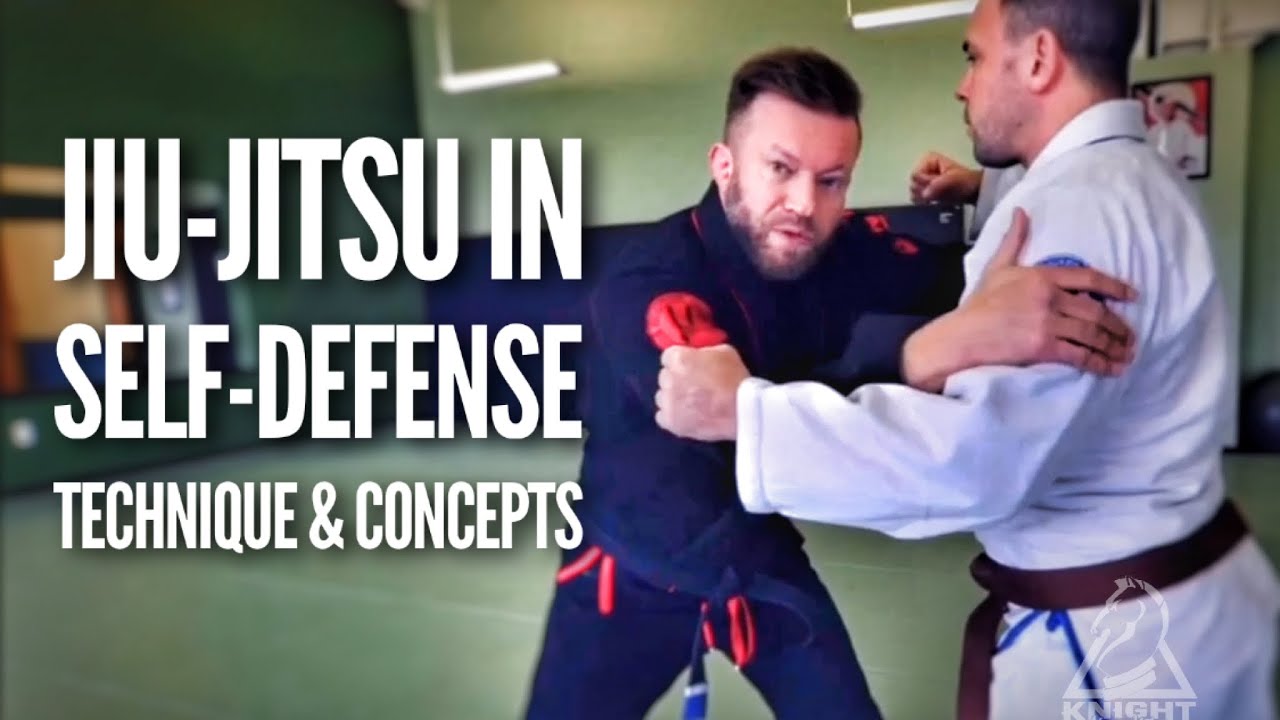
The person who understands position usually decides what happens next.
That is why I recommend BJJ first for adults in Lindenhurst. It prepares you for the part of a fight that people fail to train, and that is usually the part that decides the outcome.
How a Great Instructor Transforms Your Learning
A bad coach can make good jiu-jitsu useless to a beginner.
I see it all the time. An adult joins for self-defense, gets buried under random techniques, rolls too hard too soon, and leaves with sore ribs and no clear idea what to do under pressure. That is a coaching failure. Self-defense training should build judgment, posture, control, and calm in a clear order.
A strong instructor changes the whole experience because he decides what gets trained, how it gets trained, and what standard the room accepts. In a good room, beginners are not collecting moves. They are building answers to common problems, one layer at a time.
What a real coach actually teaches
Good instruction starts with priorities. If your goal is adult self-defense, the coach should spend time on standing posture, distance management, clinch entries, base, frames, escapes, and top control. Those are the skills that keep you safe when a situation gets messy.
He should also correct details that beginners miss. Where your head goes. Where your hips go. How to make space without giving up position. How to stay heavy without wasting strength. That is what separates a useful class from a sweaty guessing session.
The order matters.
A serious coach teaches defense before flair. He makes sure you can survive bad spots, get back to a stable position, and control someone without losing balance. If a school rushes beginners toward flashy submissions and hard sparring, it is teaching entertainment, not preparation.
Lineage shows up in the details
Lineage is not a status symbol. It is a teaching system.
That matters more than beginners realize. A coach shaped by the Caio Terra method usually teaches with precision. Positions connect. Reactions have clear answers. The same core principles show up every week, so students improve instead of starting over every class.
For adults in Lindenhurst, West Babylon, Copiague, and Babylon, that consistency is a major advantage. You do not need ten versions of the same escape. You need one reliable version you can perform under stress. If you are comparing schools, review a practical guide on how to start Brazilian Jiu-Jitsu the right way and pay close attention to how the coach explains fundamentals.
One factual local example is Korfhage BJJ | Caio Terra Academy Long Island, which teaches Brazilian Jiu-Jitsu in Lindenhurst through that technical, beginner-focused structure.
Coach's lens: A good instructor teaches control first. He shows you how to place your weight, protect your posture, slow the other person down, and make smart decisions before panic takes over.
Signs you are in the right room
Watch one class before you sign anything. You are looking for habits, not hype.
- Beginners get attention: The coach notices new students and gives direct corrections.
- Partners train with control: People are trying to improve, not prove something.
- Fundamentals repeat: Core positions and escapes show up often enough to stick.
- Intensity is earned: New students are not thrown into hard rounds before they can protect themselves.
- The coach can explain why: Every detail has a reason tied to balance, pressure, posture, or control.
If you want extra conditioning outside class, an exercise and workout platform can help. It should support your training, not replace it.
Choose the coach who makes the room clear, disciplined, and technical. That is the instructor who gives an adult beginner a real path to usable self-defense.
Your First Self Defense Class What to Expect
Your first class shouldn't feel mysterious. A good school makes it straightforward.
Most adults walk in worrying about the same things. What do I wear? Am I going to get thrown around? Will I hold the class back? The answer to that last one is no. A proper beginner class expects beginners.
What to wear and how to show up
If the academy gives you specific instructions, follow them. If not, wear comfortable workout clothes for a trial class and keep your nails trimmed. Show up a little early. Introduce yourself. Tell the coach you're new and that your goal is self-defense.
If you're trying to improve general conditioning before you start, a practical resource like an exercise and workout platform can help you build some consistency. But don't wait until you're “in shape” to begin. Training is how you get in shape.
What class usually looks like

A smart beginner class usually follows a simple arc:
Introduction and movement prep
You'll warm up with basic motions that teach balance, hip movement, posture, and mat awareness.Technique demonstration
The coach shows one or two core movements, usually tied to position, escape, or control.Partner drilling
You repeat the movement with a partner at a manageable pace. Learning occurs during this process.Controlled resistance
Some classes add light positional work so you can try the movement against a partner who isn't fully cooperating.
That last piece matters most. Effective training isn't about memorizing moves. It's about applying them under pressure. A strong curriculum includes reaction drills, ground work, and live defense drills with proper padding, as described in this adult self-defense training model.
Don't fear resistance work
Beginners hear “live” and think fight. That's not what good coaching means. Controlled resistance is how you learn timing, decision-making, and calm breathing when somebody else is moving back.
You need that. Otherwise you're collecting techniques without learning how to use them.
If you're starting from zero, this guide on how to start Brazilian Jiu-Jitsu gives a solid beginner roadmap.
Your first class isn't a test. It's an introduction to a process.
Expect to feel awkward. That's normal. Expect to forget steps. Also normal. What matters is whether the room makes learning feel possible.
Safety and Suitability for Beginners and Older Adults
A lot of adults in Lindenhurst rule themselves out before they ever step on the mat. Too old. Too stiff. Too heavy. Too anxious. Old shoulder. Bad knee. Haven't worked out in years.
Most of that is fear talking.
BJJ can be scaled if the school knows what it's doing
A major gap in self-defense content is accessibility for older adults and people with no athletic background. Inclusive programs show strong demand for beginner-friendly, adaptable training that scales intensity and builds confidence and body awareness progressively, as discussed in this inclusive self-defense and martial arts resource.
That's exactly why BJJ works for many adults when it's taught correctly. The art itself relies on mechanical advantage. The coach can scale pace, partner selection, starting position, and intensity.
You don't need to start with hard sparring. In fact, many adults shouldn't.
What older adults usually gain first
The first wins aren't dramatic. They're useful.
- Better balance: You become harder to push over and quicker to recover posture.
- Body awareness: You stop moving like someone surprised by their own limbs.
- Calm under contact: Close pressure feels less foreign.
- Confidence: You stop assuming every physical confrontation is unwinnable.
That's why adult beginners and older students often do well in technical environments. They listen, they pay attention, and they value efficiency.
If that's your lane, this page on martial arts for older adults is worth a look.
What to watch for
Safety depends less on your age and more on the room.
Avoid schools where every round turns into a brawl. Avoid instructors who treat caution like weakness. Avoid any place where beginner questions get brushed off.
A smart academy builds you up in layers. Movement first. Positional understanding next. Resistance after that. That's how adults stay consistent long enough to become good.
Choosing the Right Lindenhurst BJJ Program
If you're shopping for self defense classes for adults in Lindenhurst or within a short drive, don't get distracted by slogans. Use a checklist.
The right school should make you feel challenged, safe, and clear on what you're learning. If any of those are missing, keep looking.
Ask these questions before you commit

- Who teaches the adults class: Ask about teaching experience, not just rank.
- How are beginners introduced: You want a progression, not survival by confusion.
- What does live training look like: It should be controlled and purposeful.
- Is the schedule realistic for working adults: If you can't attend consistently, you won't improve.
- Can you try the program first: A trial matters because culture is hard to judge from a website.
What a strong local option should offer
For adults in Lindenhurst, Copiague, North Lindenhurst, West Babylon, Babylon, and nearby areas, a useful program should check a few boxes.
It should teach proper body mechanics and positional control, not just random techniques. It should have a clean room and a clear structure. It should welcome beginners without watering down the training. It should also reflect a system, not one instructor improvising class to class.
That's where Caio Terra lineage carries weight. You want a technical curriculum that prizes precision over ego. That approach gives smaller adults, older adults, and cautious beginners a real path forward.
Make your decision simple
Visit. Watch one class. Ask direct questions. Then do a trial.
If the room feels organized, the coaching is specific, and the students train with control, you've probably found your place. If not, move on. You're not shopping for entertainment. You're choosing who teaches you how to handle pressure.
The easiest low-risk next step for many adults in the area is a $99 unlimited classes trial. That's enough time to see the teaching style, the room culture, and whether BJJ fits your life.
If you're ready to stop wondering and start training, Korfhage BJJ | Caio Terra Academy Long Island offers a straightforward way to begin with a $99 unlimited classes trial in Lindenhurst. If your goal is practical self-defense, better fitness, and a technical system you can trust, get on the mat and see how it feels in real time.