

You finish work in Lindenhurst, sit in traffic on Sunrise Highway, and think the same thing you thought last week. You need something better than another cycle of stop-and-start gym motivation. You want to get stronger, move better, feel more confident, and maybe learn a skill that matters if life gets ugly.
Then you look up MMA and hit a wall.
A lot of adults in Lindenhurst, Babylon, Copiague, West Babylon, North Babylon, West Islip, and the nearby Long Island towns have the same reaction. They picture cage fights, hard sparring, black eyes, and young athletes with endless energy. That image keeps good people from starting. It also hides what smart adult mma training really is.
For most adults, the right path into MMA is not getting punched on day one. It’s learning how to control space, balance, pressure, posture, and another person’s movement. That foundation comes from Brazilian Jiu-Jitsu.
Modern MMA grew in large part from BJJ’s influence. BJJ developed in Brazil in the 1920s, reached California by the early 1980s, helped shape modern MMA, and became a cornerstone of the 85% of modern MMA athletes who train in multiple disciplines, according to FightMatrix’s overview of MMA’s growth and history. That matters for beginners because it explains why the safest entry into MMA often starts on the ground, not in a striking exchange.
If you’re an adult on Long Island who wants fitness, self-defense, and a clear way to begin, BJJ-first training makes the whole subject less intimidating. It turns MMA from a chaotic idea into a learnable system.
Your Journey into Adult MMA Training Starts Here on Long Island
A lot of adults start for ordinary reasons.
One person wants to lose the stiffness that comes from commuting, desk work, and years of saying “I’ll get back in shape soon.” Another wants to stop feeling uncertain walking to the car at night. Someone else used to play sports, misses having a team, and wants training that feels meaningful again.
What adults often get wrong about MMA
Hearing “MMA” often leads to the assumption that one must first become a striker. It's believed that learning combinations, absorbing contact, and surviving intense sparring are essential just to belong in class. That’s usually where confusion starts.
Adult mma training is broader than that. It includes grappling, clinch work, positional control, escapes, takedowns, and controlled conditioning. A well-taught program introduces those pieces in stages.
MMA makes more sense when you stop thinking of it as fighting and start thinking of it as learning control under pressure.
That’s why a BJJ-first approach works so well for adults in the Lindenhurst area. It gives you a way to build timing and confidence without relying on speed or aggression. You begin with posture, base, and mechanical advantage. Then you learn how to stay calm when another person is resisting.
Why Long Island adults need a practical route in
Local adults are busy. They’re balancing work, kids, family obligations, and the usual Long Island time squeeze. They don’t need mystery. They need a training method that respects recovery, teaches real skill, and doesn’t require acting like a pro fighter.
A good beginning looks like this:
- You learn positions first: guard, mount, side control, back control, and how to escape bad spots.
- You build habits before intensity: breathing, tapping, framing, and protecting your neck and joints.
- You earn your confidence through reps: not through getting thrown into chaos.
That’s the version of adult mma training that changes lives. It’s structured, technical, and realistic for adults who live and work around Lindenhurst.
Why Brazilian Jiu-Jitsu Is the Heart of Smart MMA Training
If I were advising a brand-new adult student, I wouldn’t start by asking how hard they want to hit. I’d ask how well they want to control a situation.
That’s the difference between flashy training and useful training.
BJJ gives adults a system, not just a workout
MMA used to carry a rougher public image. That changed as the sport matured. After the 1993 UFC inception, MMA moved away from minimal-rule spectacles and toward regulated competition. The adoption of the Unified Rules of MMA by 2000, along with weight classes and time limits, helped create safer, technical adult programs for recreational students, as described in this systematic review on MMA research and evolution.
For adults, that evolution matters because it shifted training culture toward skill development. BJJ sits at the center of that shift. It teaches you how to survive bad positions, reverse momentum, and control an opponent without depending on speed, youth, or knockout power.

Why technique beats force for most adults
Caio Terra’s approach is a strong example of why BJJ works so well for adult beginners. He’s widely known as a 12-time IBJJF world champion, but the more important point for regular adults is how he teaches. His method is detail-driven. Small angle changes matter. Grip placement matters. Hip position matters. Timing matters.
That style of instruction helps the student who isn’t the strongest person in the room. It helps the person returning to fitness after years away. It helps the smaller student, the older student, and the cautious beginner who wants to train intelligently.
You can see the logic in a good fundamentals curriculum. A beginner doesn’t need fifty techniques. A beginner needs a few reliable answers taught well.
For adults trying to understand where to begin, this guide on how to learn Brazilian Jiu-Jitsu lays out the kind of structured progression that makes long-term progress possible.
What BJJ adds to MMA that striking alone can’t
Striking is important. So are wrestling and clinch skills. But BJJ gives adults something unique. It teaches control when things get close, messy, and physical.
Consider a simple example. Two untrained adults get into a confrontation. Once distance closes, nobody looks like they do on pads. Grabbing happens. Balance breaks. People clinch, stumble, and fall. BJJ prepares you for that range.
Here’s what BJJ contributes inside adult mma training:
- Control before damage: You learn how to pin, hold, and neutralize movement.
- Energy efficiency: Effective technique lets you conserve effort instead of muscling through everything.
- Decision-making: You learn when to escape, when to stabilize, and when to apply pressure.
- Scalability: A fundamentals class can challenge a fit adult and still be accessible to a beginner.
- Real self-defense value: Control skills matter when you want to protect yourself without escalating force.
Practical rule: If an adult wants MMA for fitness, confidence, and real self-defense, BJJ is usually the safest first language to learn.
That’s why I call it the heart of smart MMA training. It gives the rest of the system shape.
Discover the Full-Life Benefits of BJJ-Focused Training
A lot of adults walk onto the mat for one reason, then stay for three others.
They may start with self-defense in mind. A few months later, they notice they are sleeping better, moving better, and reacting to stress with a calmer head. That is one of the clearest advantages of a BJJ-first path into adult MMA training. The practice reaches well beyond class time.
Physical benefits that show up outside the gym
Brazilian Jiu-Jitsu teaches movement patterns that many adults have not used since childhood. You shrimp across the mat. You bridge with purpose. You turn your hips, post your hand, recover your base, and stand up in balance. Those are not flashy skills. They are the kind of skills that make daily life feel easier.
For adults in Lindenhurst and nearby towns, that matters. Getting up off the floor, protecting your back when you twist, keeping your balance when someone bumps into you, and building strength without constant impact all have real value. A BJJ-first training model helps you condition your body through position, pressure, and timing instead of relying on hard collisions.
That is one reason many adults find BJJ more sustainable than jumping straight into striking-heavy MMA classes. You still work hard. You just spend more time learning how to move well.
Caio Terra’s methodology fits this especially well. It breaks complex movement into clear pieces, the same way a good teacher shows a beginner how to write neatly before asking for speed. Adults improve faster when the foundation is organized.
Mental benefits adults do not expect
The mind changes too.
New students often assume confidence appears after they become advanced. In reality, confidence usually starts with a small moment. You get pinned, feel the pressure, and resist the urge to panic. You remember to frame. You make space. You escape. Nothing magical happened. You stayed present long enough to use what you learned.
That process builds habits that carry into work, parenting, and everyday stress. BJJ asks you to solve problems while uncomfortable, which is a useful adult skill.
A BJJ-based adult MMA program helps you build:
- Composure: You practice staying calm while someone is pressuring you.
- Problem-solving: Each round gives you a position to fix, not just a workout to survive.
- Humility: You learn quickly that progress comes from listening, adjusting, and trying again.
- Resilience: Bad rounds stop feeling like failure and start feeling like feedback.
Steadiness is often the result. Adults come in wanting to feel tougher. They leave with better judgment under pressure.
Practical benefits for real self-defense
Self-defense for adults should be practical, controlled, and responsible. That is where BJJ gives MMA training its strongest base.
Real confrontations are rarely neat. Distance closes. Someone grabs. Balance breaks. People end up in a clinch, against a wall, or on the ground. BJJ prepares you for that range by teaching control before chaos spreads. You learn how to manage posture, hold position, create space, and get back up safely.
For many adults, that approach makes more sense than building self-defense around striking alone. A parent, nurse, teacher, or commuter usually does not need more aggression. They need better control and better decisions. BJJ gives you a way to protect yourself without using more force than the situation calls for.
That is why a BJJ-first approach is such a smart entry point for adult MMA training in Lindenhurst. It improves fitness, sharpens composure, and gives you skills that make sense in real life.
Find Your Path at Korfhage BJJ in Lindenhurst
A 42-year-old from Lindenhurst walks in after work, stiff from sitting all day, a little nervous, and unsure whether adult MMA training means getting smashed by younger, faster people. A good academy changes that experience from the first class. You should feel guided, not rushed, and challenged, not overwhelmed.
At Korfhage BJJ, the path starts with Brazilian Jiu-Jitsu because BJJ gives adults the safest place to learn timing, balance, pressure, and control before adding the chaos of full MMA. That matters in a community like Lindenhurst, where many students are balancing work, family, commuting, and old aches that make reckless training a bad trade.
The beginner’s journey
Beginners usually need clarity more than intensity.
The first few classes should work like learning to drive in an empty parking lot before getting on Sunrise Highway. You build the habits that keep you safe later. That means learning how to stand with balance, how to fall without panic, how to tap early, how to frame, and how to hold a stable base when someone is moving you.
A strong beginner program also protects your attention. Instead of piling on twenty techniques, the instructor gives you one position and a few clear decisions inside it. You start to see cause and effect. If your posture breaks, your balance goes with it. If your elbows drift, space opens. Adults learn faster when the room is organized that way.
A new student from Babylon, Copiague, or West Islip does not need the whole MMA puzzle on day one. They need a reliable first piece.

The path for adults over 40
Adults over 40 usually do best with coaching that removes unnecessary collisions and teaches clean entries into every exchange. The point is not softer training. The point is smarter sequencing.
That is one reason the Caio Terra approach fits adult MMA training so well. It breaks positions into details you can repeat under control. You learn where your weight goes, when your head is safe, how your grips create structure, and how to move with purpose instead of speed for its own sake. For older beginners, that often means better progress with less guesswork.
Good over-40 training often includes:
- Defined starts: seated, kneeling, or from specific grips so rounds begin with structure
- Targeted warm-ups: mobility and movement patterns that match the lesson
- Gradual intensity: room to build pace as your timing improves
- Technical rounds: practice that rewards accuracy and control
If safety is one of your first questions, Korfhage BJJ also explains how Brazilian Jiu-Jitsu training stays safe for beginners and adults. The same common-sense habits that reduce risk in BJJ also help adults prepare for broader MMA training.
Recovery matters too. Adults who train consistently usually do better with basic sleep, hydration, and mobility habits than with heroic workouts once a week. These sports injury prevention tips fit that same mindset.
The law enforcement professional’s path
Law enforcement, security, corrections, and first responder training has a different job to do. The goal is controlled contact, stable positions, and sound decisions under pressure.
BJJ gives that job a practical base. You learn how to close distance without losing balance, how to stay heavy without striking wildly, and how to manage a resisting person with better posture and clearer mechanics. For many professionals on Long Island, that is far more useful than treating adult MMA training like a brawl in a cage.
A BJJ-first path also helps separate emotion from action. That is a real advantage for professionals who may need restraint skills they can apply carefully, not just forcefully.
At Korfhage BJJ in Lindenhurst, adults are not pushed into one lane. They are taught according to their starting point, their body, and the reason they came in. That is what makes a training path worth following.
Your First Class Gear Safety and Gym Etiquette
You pull into the parking lot in Lindenhurst after work, still carrying the tension of the day, and one question keeps coming up. What do I need, and how do I avoid doing something foolish?
That feeling is normal. Adults usually are not nervous about hard work. They are nervous about walking into an unfamiliar room with unfamiliar rules.
A good first class removes that guesswork. In a BJJ-first program, the goal is not to throw you into chaos. The goal is to give you a safe structure, clear expectations, and enough guidance that you can focus on learning.
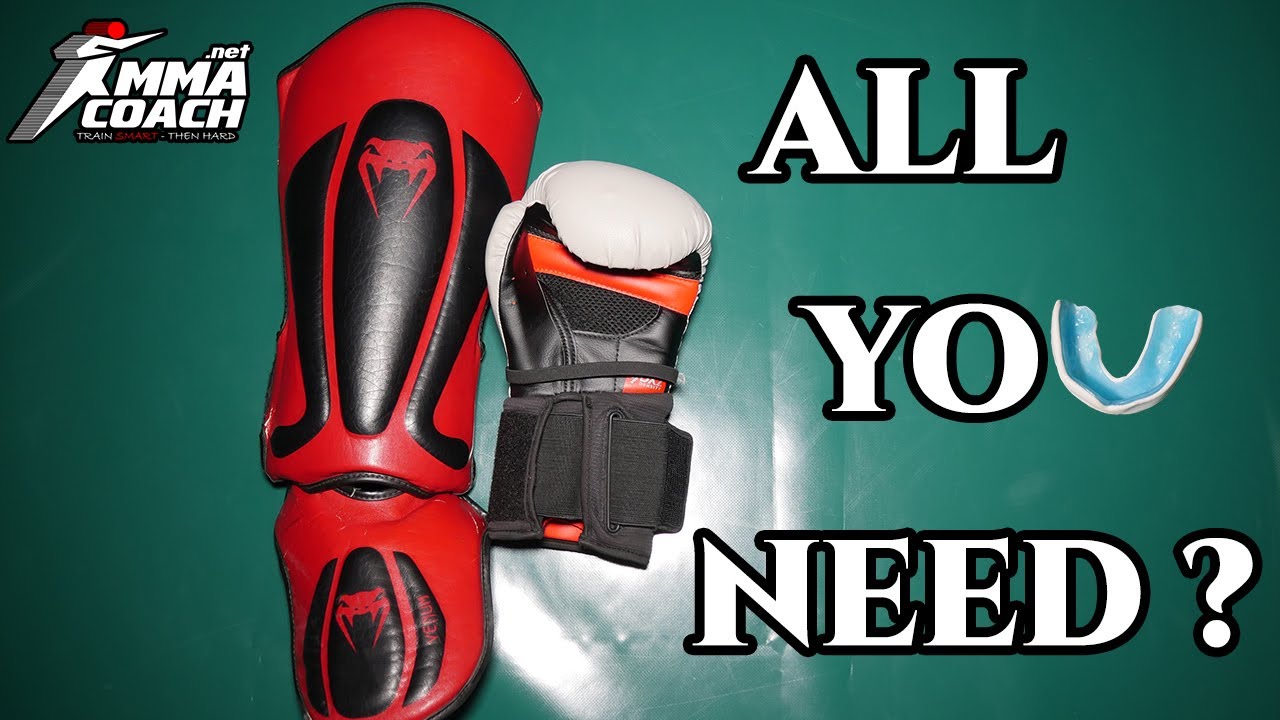
What to bring and what to skip
For your first BJJ-based adult mma training class, simple is better.
- Wear clean training clothes: athletic shorts and a T-shirt usually work for an intro session if the gym allows it.
- Bring water: a regular water bottle is enough.
- Trim nails: fingers and toes. Small scratches are one of the easiest problems to prevent.
- Leave jewelry at home: rings, watches, necklaces, and earrings can catch on clothing or skin.
- Bring flip-flops: wear them off the mat to help keep the training area clean.
You do not need to show up dressed like a professional fighter on day one. A good academy will tell you when you need a gi, when no-gi gear makes sense, and what is appropriate for each class.
Safety starts before sparring
Safety in adult MMA training begins with the foundation you build first. That is one reason a BJJ-first approach works so well for adults in Lindenhurst and nearby towns. You learn posture, balance, pressure, and control before faster, more chaotic parts of MMA are added.
The instructor matters here. So does the room. A careful coach teaches in steps, points out common mistakes before they happen, and pairs beginners with partners who can train under control. The Caio Terra method is especially useful for adults because it breaks positions into small, teachable pieces. That makes the room feel less like a storm and more like learning a route street by street.
One habit matters more than any piece of gear. Tapping.
Tap with your hand, tap your partner, or say "tap" clearly. Do it early. A smart student treats tapping like a brake pedal, not a last-second escape.
If you want a clearer explanation of how a structured academy reduces risk, read this guide on how Brazilian Jiu-Jitsu training stays safe for beginners and adults.
A useful outside reference can also help you prepare well between classes. These sports injury prevention tips from MedEq Fitness cover warm-ups, recovery habits, and simple ways to lower avoidable injury risk.
Basic etiquette that makes training better for everyone
Gym etiquette is really shared safety.
- Show up clean: clean body, clean clothes, fresh breath, no strong odor.
- Listen during instruction: details matter in grappling, and missing one grip or angle can change the whole technique.
- Match your pace to your experience: beginners should move with control, not with panic.
- Protect your partner: apply submissions slowly and release as soon as they tap.
- Ask questions when the coach can answer them well: good questions help everyone when the timing is right.
That last point surprises some adults. They assume etiquette is about formality. It is closer to traffic rules. Clear habits keep people from crashing into each other and let everyone train with more trust.
As training progresses, some adults add striking or more MMA-specific rounds. Even then, many stay grounded in grappling because it gives them a safer base for fitness, confidence, and practical self-defense without making every class a head-contact session.
This short video can also help you visualize what a beginner-friendly training environment should look like before you step onto the mat.
How to Choose the Right MMA Gym near Lindenhurst
Plenty of adults choose a gym based on distance alone. That’s understandable, but it’s not enough.
A bad gym five minutes away is still a bad gym.
Watch one class before you decide
The fastest way to read a gym is to watch how people behave when the instructor isn’t talking.
Do advanced students help newer students, or ignore them? Do rounds look controlled, or frantic? Does the coach walk the room and correct details, or just bark commands from the wall? Those answers tell you more than a website headline.
A good adult program usually has a few obvious signs:
- Beginners are coached, not tested
- The room is clean and organized
- Students train with intent, not ego
- The instructor can explain why a technique works
Instructor quality matters more than décor
If a gym says it offers adult mma training, find out who is teaching the grappling side and how they teach fundamentals.
Lineage and methodology matter. A coach connected to a technical, proven system usually teaches with more consistency. In the Caio Terra style, for example, details are not optional. Students learn exact grips, weight placement, transitions, and problem-solving sequences. That creates a better learning environment for adults because it removes guesswork.
If you want to understand how BJJ fits into a broader combat sports path, this article on how to get into MMA is useful because it frames MMA as a process, not a personality type.
Ask practical questions, not just exciting ones
A lot of beginners ask, “Do you have sparring?” That’s not the first question I’d ask.
Ask these instead:
| Question | Why it matters |
|---|---|
| Do you have a true beginner program? | Adults need progression, not chaos. |
| How are new students paired? | Pairing affects safety and confidence. |
| What does a first month look like? | Structure tells you whether the gym can teach. |
| How do you handle injuries or limitations? | Good gyms adapt. Bad gyms dismiss. |
| Can I observe or try a class? | Experience beats marketing. |
Choose the room where you can last
The best gym is not the one that impresses you for one night. It’s the one where you can train consistently for months and years.
That means the schedule fits your life. The atmosphere makes you want to return. The instruction is clear enough that you improve. And the culture supports adults from Lindenhurst and surrounding towns who have careers, families, and real-world responsibilities.
The right gym should make you feel challenged, not misplaced.
Start Your Transformation A Sample Plan and Your $99 Trial
The biggest mental hurdle for most adults is not effort. It’s uncertainty.
Once you can see the first week clearly, starting feels manageable.
A simple first week
Here’s a practical example of what a beginner schedule can look like.
| Day | Class Focus | Goal |
|---|---|---|
| Monday | Fundamentals BJJ | Learn base, posture, and how to tap safely |
| Tuesday | Rest or light walking | Recover and let your body adapt |
| Wednesday | Fundamentals BJJ | Repeat core movements and add one escape |
| Thursday | Mobility or stretching | Improve range of motion and reduce stiffness |
| Friday | Beginner no-gi or fundamentals | Apply position control without rushing |
| Saturday | Open mat observation or beginner class | Watch pace, ask questions, and build comfort |
| Sunday | Full rest | Start week two feeling fresh |
That kind of week works because it respects adult recovery while still building momentum. You don’t need to live in the gym. You need consistency.
Why this path works
By this point, the pattern should be clear. Adult mma training doesn’t have to begin with impact. It can begin with intelligence.
You start with BJJ because it teaches mechanical efficiency, control, and calm decision-making. You train under an instructor who values details, not theatrics. You build fitness as a byproduct of skill practice. Then, if you want, you expand into the wider MMA game from a position of real competence.
For Long Island adults, that matters. A strong program should fit around work in Babylon, family life in Lindenhurst, errands in West Islip, and the usual schedule pressure that comes with being an adult. If the first step is too extreme, individuals quit. If the first step is structured, they stay.
Your easiest way to begin
If you’re ready to stop wondering and start training, the cleanest option is a trial that gives you enough time on the mat to know whether the environment fits you.
A $99 unlimited trial is a practical way to do that. It gives you room to attend more than once, settle your nerves, and experience how the coaching, class culture, and pacing feel. You’ll find that offer at 99 W. Hoffman Ave, Lindenhurst.
The best first move is simple. Pick a start date, show up in clean workout clothes, and let the first class answer the questions your imagination has been making bigger.
Frequently Asked Questions About Adult MMA Training
Am I too old or too out of shape to start?
No. Many adults start later than they expected.
Being out of shape is not a reason to wait. Training helps fix that. The key is joining a program that teaches beginners properly and lets your conditioning improve as your skill improves.
Is adult mma training safe for women?
Yes, when the gym is well run and instruction is structured.
A good BJJ-first program is especially helpful because it teaches mechanical advantage, control, and escape skills in a supervised setting. Women benefit from the same technical principles as men, and a respectful academy culture makes a huge difference.
What’s the difference between a BJJ class and an MMA class?
A BJJ class focuses on grappling, positional control, submissions, escapes, and ground movement. An MMA class blends multiple ranges, which can include striking, clinch work, takedowns, and ground fighting.
For many adults, BJJ is the better place to begin because it develops control first.
Do I need to be athletic?
No. Athleticism helps in any sport, but it isn’t the requirement people think it is.
Technique lets ordinary adults make progress. A good coach can scale drills so a new student can participate safely while building timing and confidence.
Will I get hit in the face on my first day?
Not in a BJJ-first beginner environment.
That fear keeps many adults from trying martial arts. A proper introductory class centers on movement, position, and safety. It should not feel like survival.
How often should I train in the beginning?
Most adults do well starting with a manageable weekly rhythm. The important part is being regular enough to remember what you learned without overwhelming your body.
Two or three quality sessions each week is a realistic starting point for many people.
Do I need expensive gear to start?
No. Most beginners can start with basic athletic clothing for an intro session, depending on the gym’s rules. Once you commit, the academy will tell you what gi or no-gi gear you need.
What should I look for in an instructor?
Look for someone who can make complex things simple.
A strong instructor teaches details clearly, protects beginners, manages the room well, and creates a culture where students improve without feeling pressured to perform.
If you’re in Lindenhurst or nearby and you want a safe, technical way to begin, Korfhage BJJ | Caio Terra Academy Long Island offers a $99 unlimited classes trial at 99 W. Hoffman Ave, Lindenhurst. It’s a practical first step if you want real instruction, a welcoming room, and an adult-friendly path into Brazilian Jiu-Jitsu and MMA training.