
What Are the 10 Best Martial Arts for Self Defense in 2026? [Lindenhurst Guide]
In a world where personal safety is a priority, choosing an effective self-defense system is one of the most empowering decisions you can make. While many options exist, from striking arts to grappling systems, one stands out as the most effective for real-world situations. This guide cuts through the noise to provide a clear analysis of why Brazilian Jiu-Jitsu is the premier choice for residents in and around Lindenhurst, Copiague, and Babylon, and how finding the right instructor is the most critical step in your journey. We will explore the strengths and weaknesses of other arts, but with a distinct focus on why BJJ consistently proves superior in a one-on-one confrontation.
You will learn what makes certain techniques effective when adrenaline is high and there are no rules. We’ll examine why the BJJ principles of leverage and control, championed by legendary practitioners like 12-time world champion Caio Terra, are uniquely suited for de-escalating violent encounters. His innovative approach proves that technique, not strength, is the deciding factor. This guide will show you precisely how a dedicated BJJ practice, guided by an expert instructor in the Lindenhurst area, provides the skills and confidence needed to protect yourself and your loved ones. Finding the best martial art for self defense is about gaining the ability to control a threat intelligently and safely.
1. Brazilian Jiu-Jitsu (BJJ)
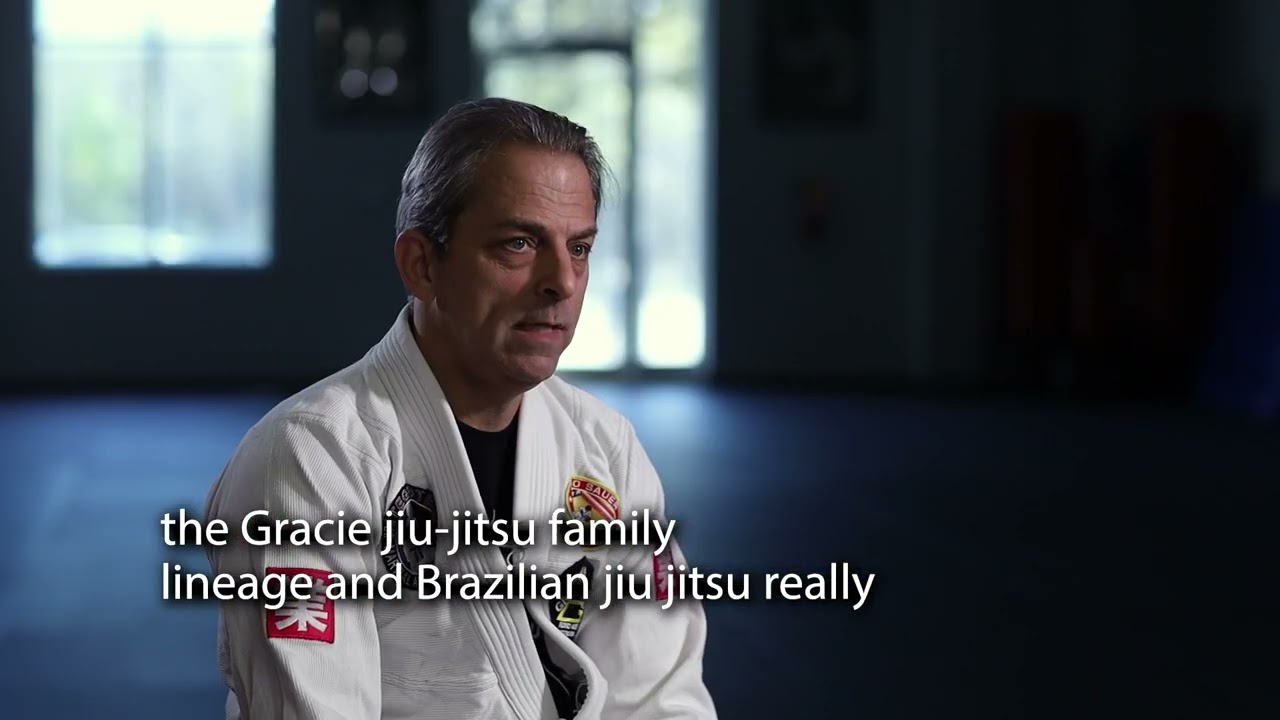
Unquestionably the best martial art for self defense, Brazilian Jiu-Jitsu is a grappling-based system focused on using leverage and technique to control and subdue an opponent. Developed by the Gracie family, BJJ assumes that most real-life confrontations end up on the ground. It teaches you to neutralize a bigger, stronger attacker by closing the distance, taking them down, and using joint locks or chokeholds to end the fight without throwing a single punch.
The core principle is that a smaller, weaker person can successfully defend against a larger assailant by using proper body mechanics. This makes it the ideal choice for anyone in the Lindenhurst, Babylon, or Copiague communities, regardless of their athletic background. Law enforcement and military personnel worldwide incorporate BJJ into their defensive tactics for this very reason. It provides a reliable method for control and de-escalation in high-stress situations.
Why BJJ is the Most Effective for Self-Defense
The unparalleled effectiveness of BJJ is rooted in its practical approach. Unlike other martial arts, BJJ is pressure-tested daily through “rolling,” which is live sparring against a resisting opponent. This builds real-world timing, reflexes, and problem-solving skills under physical duress. While other arts have their merits, they often lack a solution for the most common outcome of a street fight: hitting the ground. BJJ specializes in this domain, making it the most essential self-defense skill.
Finding the right instructor is crucial for your development, as they translate complex techniques into understandable principles. At Korfhage BJJ in Lindenhurst, we follow the curriculum of Caio Terra, a 12-time IBJJF World Champion renowned for his highly technical and detail-oriented approach. His methods emphasize that jiu-jitsu is for everyone, proving that sound technique, taught correctly, always overcomes brute strength.
Actionable Tips for Beginners
- Focus on Position: Before you hunt for submissions, master dominant positions like the mount, back control, and side control.
- Embrace Tapping: Tapping out (submitting) is not losing; it’s a critical part of learning. It allows you to train safely and consistently.
- Stay Consistent: Attend class regularly. The concepts in BJJ build on each other, and consistent practice is the only way to progress.
If you live in or near Lindenhurst, West Babylon, or Copiague and are curious about how BJJ applies to self-protection, the best way to understand its power is to experience it. For a deeper look into its practical applications, you can explore why BJJ is so effective for self-defense.
2. Krav Maga
Recognized as a popular choice for self-defense, Krav Maga is a tactical combat system developed for the Israeli military. Its primary goal is to neutralize real-world threats as quickly and efficiently as possible. Unlike sport-based arts, Krav Maga focuses on street violence, combining techniques from boxing, wrestling, and judo to counter common attacks. It is built for survival.
The system’s core principle is to end a confrontation immediately and escape to safety. It heavily emphasizes situational awareness, aggression, and targeting an attacker’s vulnerable points. This direct and brutal approach is why it’s a staple for the Israeli Defense Forces and various law enforcement agencies worldwide.

Why Krav Maga Has Limitations
Krav Maga’s effectiveness lies in its singular focus on self-preservation. However, its lack of live, full-resistance sparring (like BJJ’s “rolling”) can be a significant drawback. While excellent for stand-up and weapon defense, it may not prepare you as thoroughly for a determined grappler who closes the distance.
At Korfhage BJJ in Lindenhurst, we believe that controlling an opponent on the ground is the most critical skill for self-defense, as this is where most fights end up. Our program, guided by the technical principles of 12-time World Champion Caio Terra, ensures you have the tools to manage a fight wherever it goes. Caio Terra’s approach emphasizes that superior technique can neutralize even the most aggressive attacker, a principle that is best tested through live sparring. A great instructor ensures you are truly prepared, not just rehearsed.
Actionable Tips for Beginners
- Prioritize Awareness: The best defense is avoiding the fight. Pay attention to your surroundings to identify and evade potential threats before they escalate.
- Train for Stress: Seek out instructors who incorporate realistic stress drills. Learning to perform techniques while exhausted or disoriented is key.
- Supplement with BJJ: For those in the Lindenhurst area, combining Krav Maga’s striking with BJJ’s ground control creates a truly complete skill set.
For residents of Lindenhurst, West Babylon, and Copiague looking for a self-defense solution that is proven to work under pressure, experiencing BJJ firsthand is essential.
3. Muay Thai
Known as “the art of eight limbs,” Muay Thai is a powerful striking art from Thailand that utilizes fists, elbows, knees, and shins. It is a battle-proven system renowned for its devastating kicks and powerful clinch fighting. For self-defense, Muay Thai is exceptional for developing formidable striking power and managing distance.

The intense conditioning involved in Muay Thai builds incredible toughness. This makes it a strong contender for self-defense if your goal is to end a confrontation quickly on your feet. However, it’s critical to remember that most real fights don’t stay standing. A Muay Thai practitioner with no ground-fighting knowledge would be at a severe disadvantage against a grappler, highlighting the necessity of a base in BJJ.
Why Muay Thai Is Incomplete Without Grappling
Muay Thai’s effectiveness comes from its direct, no-nonsense approach to stand-up combat. However, a great striking foundation becomes exponentially more effective when paired with a ground-based art. At Korfhage BJJ in Lindenhurst, we believe that BJJ is the essential foundation for any self-protection system. Understanding striking is useful, but knowing BJJ ensures you are prepared if the fight goes to the ground—the most likely scenario.
A quality instructor can show you how these arts complement each other. Caio Terra’s philosophy, which we follow closely, emphasizes that technique can overcome any physical attribute. This principle is most powerfully demonstrated in BJJ, where a smaller person can control a larger one on the ground.
Actionable Tips for Beginners
- Protect Yourself: Always use proper protective gear, including hand wraps, gloves, and shinguards, to prevent chronic injury during training.
- Build Your Engine: Focus on cardiovascular conditioning through activities like pad work, heavy bag training, and skipping rope.
- Master the Clinch: Don’t neglect clinch work. This close-range control is a vital tool for self-defense, helping to shut down an aggressive attacker.
- Start with BJJ: For those in Lindenhurst, West Babylon, and Copiague, starting with a base in BJJ ensures you have the skills to handle the most common self-defense outcome: a ground confrontation. To learn more about building a complete self-defense skill set, see how BJJ prepares you for real-world scenarios.
4. Boxing
Renowned as the “sweet science,” Boxing is a striking-focused martial art centered on effective punching, evasive footwork, and defensive head movement. It teaches practitioners to control distance and neutralize threats with speed and precision. Its core principles are practical for self-defense, offering a direct method for ending a confrontation quickly on the feet.
The art’s effectiveness lies in its simplicity and dedicated focus. By concentrating solely on punches, a boxer develops superior hand speed and power. The footwork and head movement honed through thousands of repetitions allow a practitioner to evade attacks and land effective counter-strikes.
Why Boxing is Only Part of the Solution
Boxing’s value is rooted in its real-world applicability for stand-up confrontations. However, while boxing is excellent on your feet, it has no answer for what happens if the fight goes to the ground. A boxer who is taken down by an attacker is left vulnerable. This is where combining it with a grappling art like BJJ creates a complete self-defense system.
A skilled instructor is key to integrating different skill sets. At Korfhage BJJ in Lindenhurst, we emphasize a complete approach, showing how ground-based techniques are essential for a boxer to have as a contingency. Following Caio Terra’s methods, we teach that controlling the fight on the ground is the ultimate form of self-defense, neutralizing a striker’s power completely.
Actionable Tips for Beginners
- Protect Your Hands: Always use quality hand wraps and gloves during training to prevent injury to your most important tools: your hands and wrists.
- Master the Jab: Your jab is your most important punch. It helps you measure distance, set up power shots, and disrupt your opponent’s rhythm.
- Footwork First: Focus on mastering footwork through shadow boxing and pad work. Good footwork keeps you safe and puts you in a position to attack effectively.
- Prioritize Grappling Defense: For Lindenhurst residents, pairing boxing with BJJ is the best way to ensure you are prepared for any scenario, especially on the ground. You can learn more about our self-defense programs to see how we build well-rounded practitioners.
5. Wrestling
Often seen as a competitive sport, Wrestling is one of the oldest and most effective grappling arts, making it a powerful foundation for self-defense. It focuses on takedowns, positional control, and maintaining dominance without relying on strikes or submissions. In a self-defense situation, these skills are critical for dictating where a fight takes place.
The ability to take an attacker to the ground or prevent being taken down is a massive advantage. Wrestling builds exceptional balance, core strength, and the endurance to control a struggling opponent. This is why many elite MMA fighters and law enforcement officers have a strong wrestling background; it provides an unparalleled base for controlling physical confrontations.
Why Wrestling Needs BJJ to be Complete
Wrestling’s effectiveness is built on its raw physicality and direct approach to control. While Wrestling is powerful for control and takedowns, it lacks submissions to finish a fight safely on the ground. This is where combining it with Brazilian Jiu-Jitsu is essential. The wrestling skills get you to a dominant position, and BJJ provides the tools to end the threat without excessive violence.
A good instructor will show how these two arts are a perfect match. At Korfhage BJJ in Lindenhurst, we value the takedown skills that wrestlers bring, as they complement the submission-focused curriculum of our mentor, 12-time World Champion Caio Terra. His system of jiu-jitsu provides the finishing techniques that turn a great wrestler into an unstoppable grappler.
Actionable Tips for Beginners
- Master Your Stance: A good wrestling stance provides balance and the base for both offensive and defensive moves. Keep your hips low and your head up.
- Focus on Takedown Defense: Before learning complex takedowns, drill your sprawl. The ability to stop an attacker from taking you down is a primary self-defense skill.
- Build Explosive Power: Incorporate exercises like squats, deadlifts, and sprints into your training to develop the explosive hip drive needed for powerful takedowns.
For residents in Lindenhurst, West Babylon, or Copiague looking for a complete self-defense system, understanding how wrestling integrates with BJJ is key. The best way to see how these arts combine is to try a class with an expert instructor.
6. Taekwondo
Known for its dynamic and acrobatic kicks, Taekwondo is a Korean martial art and an Olympic sport. It emphasizes high, fast kicks and powerful hand strikes. While modern Taekwondo is often focused on sport competition, its core techniques offer some self-defense benefits, particularly for maintaining distance.
The primary principle of Taekwondo in a self-defense context is to use its superior kicking range to keep an assailant at bay. Practitioners develop leg strength and flexibility, allowing them to strike from a distance.
The Limitations of Taekwondo in Self-Defense
Taekwondo’s self-defense value is rooted in its ability to generate power from a distance. However, it completely lacks a ground-fighting component, and its high kicks can leave a practitioner vulnerable to being taken down. This is a critical flaw in a real-world scenario. Many Taekwondo practitioners find that combining it with a grappling art like BJJ is necessary to build a more complete self-defense system.
At Korfhage BJJ in Lindenhurst, we believe BJJ is the perfect complement for students with a background in striking arts like Taekwondo who want to ensure they are prepared for any scenario. Our curriculum, designed by 12-time IBJJF World Champion Caio Terra, focuses on the ground game where most fights inevitably end. A good instructor can help bridge the gap between striking and grappling.
Actionable Tips for Beginners
- Practice Low Kicks: While high kicks are visually impressive, focus on practical low-line kicks to the legs and body for more stable and effective self-defense.
- Balance Your Training: Do not neglect hand techniques. A good jab and cross are essential for setting up kicks and defending in close quarters.
- Learn to Grapple: For those in Lindenhurst, West Babylon, and Copiague who have trained in striking arts, adding Brazilian Jiu-Jitsu is the logical next step to becoming a truly well-rounded martial artist. To see how grappling fills the gaps in stand-up training, you can explore why BJJ is so effective for self-defense.
7. Karate
Originating from Okinawa, Karate is a striking-based martial art renowned for its powerful and efficient techniques. It teaches practitioners to use fists, feet, elbows, and knees as weapons, all generated from strong, stable stances. While there are many styles, they all share a core focus on developing strong body mechanics.
The systematic training of kata (forms) is central to Karate, building muscle memory for defensive movements. While its striking is potent, many modern schools recognize the need for a well-rounded skill set to address potential ground encounters.
Why Karate is Incomplete for Modern Self-Defense
Karate’s strength lies in its ability to create distance and end a confrontation quickly with decisive strikes. This focus on stand-up fighting is practical for initial encounters where the goal is to neutralize a threat and escape.
However, its effectiveness is highly dependent on the instructor, and for a truly complete self-defense system, striking skills must be combined with grappling. At Korfhage BJJ in Lindenhurst, we see many students with a Karate background who come to learn the ground game. The combination creates an incredibly effective and well-rounded martial artist. Our Caio Terra-based curriculum provides the perfect grappling foundation to complement any striking art, ensuring you are prepared for the reality that most fights go to the ground.
Actionable Tips for Beginners
- Prioritize Practical Application: Seek out instructors who emphasize practical self-defense scenarios and regular kumite (sparring) against resisting partners.
- Master Your Stances: A powerful strike begins from the ground up. Focus on developing strong, stable stances and proper hip rotation to maximize your power.
- Supplement with Grappling: While Karate is excellent for striking, most fights end up on the ground. Training in BJJ will ensure you are prepared for any situation.
If you are in Lindenhurst, West Babylon, or Copiague and want to add the critical ground component to your striking skills, we invite you to see how BJJ can complete your self-defense training under expert guidance.
8. Judo
Judo, which translates to “the gentle way,” is a powerful Japanese grappling art and Olympic sport. Its core focus is on using an opponent’s own momentum against them to execute dynamic throws and takedowns. Practitioners learn to unbalance and throw an attacker to the ground, gaining a dominant position.

The art also places a heavy emphasis on ukemi, the skill of falling safely. In a real-world confrontation, Judo gives you the tools to close the distance and end the fight decisively by taking the opponent off their feet.
How BJJ Enhances Judo
Judo’s power lies in its ability to manage distance and neutralize an attacker’s strikes with a powerful throw. The constant live sparring, known as randori, builds timing and balance.
While Judo is exceptional for takedowns, a complete self-defense system requires a strong ground game. For this reason, many Judoka cross-train in Brazilian Jiu-Jitsu to deepen their submission skills. At Korfhage BJJ in Lindenhurst, we recognize the synergy between these arts. Our BJJ curriculum, guided by the principles of 12-time world champion Caio Terra, complements Judo perfectly by providing the deep submission and positional control skills needed once the fight hits the ground. An experienced BJJ instructor can unlock a Judoka’s full potential.
Actionable Tips for Beginners
- Master Your Falls: Dedicate significant time to practicing ukemi (breakfalls). This will build your confidence and prevent injuries.
- Focus on Footwork: Effective throws start with proper footwork and positioning (kuzushi). Drill your entries constantly.
- Embrace Timing Over Strength: Try to feel your partner’s momentum and use it. Don’t try to muscle through techniques.
- Supplement with BJJ: For those in Lindenhurst, Copiague, or the surrounding Long Island area, combining Judo’s throws with BJJ’s ground control creates a formidable self-defense skill set.
9. Hapkido
As a comprehensive Korean martial art, Hapkido offers a well-rounded approach to self-protection. It blends dynamic striking and kicking techniques with powerful joint locks, throws, and grappling. Hapkido emphasizes the principles of circular motion and non-resistance, teaching practitioners to redirect an attacker’s momentum.
The art is designed to provide a complete defensive system, equipping individuals to handle stand-up striking, close-quarters grappling, and even weapon-based threats.
Where Hapkido Falls Short
Hapkido’s strength lies in its versatility. However, its wide scope can sometimes lead to a lack of depth in specific areas, especially grappling. While Hapkido includes throws and joint locks, it doesn’t offer the same level of ground-fighting specialization as Brazilian Jiu-Jitsu.
At Korfhage BJJ in Lindenhurst, we believe that real-world fights often end up on the ground, and having a deep understanding of ground control is essential. Our program, based on Caio Terra’s detail-oriented methods, ensures students master the ground game. A good instructor focuses on depth and pressure-testing, which is where specialized arts like BJJ excel.
Actionable Tips for Beginners
- Prioritize Practicality: Seek out an instructor who pressure-tests techniques and focuses on high-percentage moves applicable to real threats.
- Integrate Skills: Practice combining your strikes with your joint lock and throwing techniques to create seamless transitions.
- Specialize in Grappling: For those in Lindenhurst, Copiague, or West Babylon looking for a system with unparalleled ground control, experiencing BJJ firsthand is the best next step. It provides the specialized knowledge needed to control an attacker where most fights end.
10. Systema
Systema is a Russian martial art with roots in the training protocols of Soviet special forces. It is a highly fluid and adaptive system that emphasizes natural movement, breathing control, and relaxation to manage threats. Rather than relying on a catalog of rigid techniques, Systema teaches practitioners to respond to attacks instinctively.
The core principle is to remain calm and mobile under duress, using controlled breathing to manage fear and pain. This makes it a unique approach to self-defense, focusing as much on psychological resilience as physical skill.
The Challenge of Systema’s Lack of Structure
Systema’s effectiveness lies in its focus on universal principles over specific techniques. However, this lack of structure and formalized sparring can make it difficult for beginners to gauge their progress and test their skills against a fully resisting opponent, a key element that makes BJJ so reliable. Finding a legitimate, high-quality instructor can also be challenging.
While Systema offers valuable concepts, a structured, pressure-tested art provides a more dependable foundation. At Korfhage BJJ in Lindenhurst, we build skills progressively through the curriculum of Caio Terra, a 12-time world champion. His detail-oriented methods and the process of live rolling ensure that every student develops real, applicable techniques proven to work under pressure. The quality of instruction is paramount, and a proven system like Caio Terra’s provides a clear path to competence.
Actionable Tips for Beginners
- Prioritize Breathing: Focus on deep, continuous breathing during training to stay relaxed and manage stress.
- Embrace Fluidity: Avoid tensing up. Practice moving smoothly and continuously to disrupt an attacker’s balance and timing.
- Seek Proven Systems: For Lindenhurst residents, a system like BJJ with a clear lineage and pressure-tested results offers a more reliable path to self-defense proficiency.
Top 10 Self-Defense Martial Arts Comparison
| Style | 🔄 Implementation complexity | ⚡ Resource requirements & learning speed | ⭐ Expected outcomes | 📊 Ideal use cases | 💡 Key advantages / Tips |
|---|---|---|---|---|---|
| Brazilian Jiu-Jitsu (BJJ) | High — technical, long-term progression | Moderate equipment; needs regular partners/classes; months→years to competency | ⭐⭐⭐⭐⭐ — Exceptional ground control & submissions | One‑on‑one ground fights, self‑defense, MMA groundwork | Focus on fundamentals; train live rolling with a quality instructor |
| Krav Maga | Medium — broad curriculum, pragmatic training | Low equipment; scenario and stress drills; quick basic skill build | ⭐⭐⭐⭐ — Fast threat neutralization and situational awareness | Street defense, armed threats, multiple attackers, law enforcement | Prioritize high‑percentage drills and stress inoculation |
| Muay Thai | Medium — technical striking + heavy conditioning | Moderate: pads, bag, sparring; months for effective striking | ⭐⭐⭐⭐ — Powerful striking, clinch control, conditioning | Stand‑up confrontations, distance control, sport fighting | Train clinch and conditioning; protect shins/heads to avoid injury |
| Boxing | Low–Medium — focused skillset (punches/footwork) | Low equipment; fast skill acquisition for basics | ⭐⭐⭐⭐ — Excellent hand speed, head movement, distance control | Single attackers at range, quick evasive defense, sport boxing | Emphasize footwork, quality gloves/wraps, and head‑movement drills |
| Wrestling | Medium–High — explosive, physically demanding technique | Needs mat/partners and strength conditioning; skill develops with practice | ⭐⭐⭐⭐ — Superior takedowns and positional control | Controlling opponents, takedown defense, transitions to BJJ/MMA | Build explosive strength; drill takedowns vs. resistant partners |
| Taekwondo | Low–Medium — sport‑oriented, high kick complexity | Low equipment; flexibility training; faster to learn kicks | ⭐⭐⭐ — Strong kicking power and mobility | Distance creation, mobility advantage, sport competition | Develop low‑line kicks and hand techniques to reduce takedown risk |
| Karate | Low–Medium — striking + forms (kata) | Low equipment; structured belt progression | ⭐⭐⭐ — Efficient striking mechanics and discipline | Traditional self‑defense, discipline/fitness, single attacker | Balance kata with practical sparring; train power from stances |
| Judo | Medium–High — throws require timing and partner drilling | Gi, mat, regular ukemi/drilling; months to competent throws | ⭐⭐⭐⭐ — Exceptional throws, takedowns, and safe falling | Takedowns, crowd control, law enforcement, transitions to ground work | Prioritize ukemi and timing over raw strength; drill entries |
| Hapkido | High — broad syllabus (locks, throws, weapons) | Moderate→high: varied training, weapons practice; longer learning curve | ⭐⭐⭐ — Comprehensive but instructor‑dependent effectiveness | Joint‑lock control, weapon defense, multi‑attacker scenarios | Train under practical schools; pressure‑test joint locks gradually |
| Systema | High — fluid/adaptive approach, instructor dependent | Low equipment but needs expert coaching and scenario practice; slow measurable progress | ⭐⭐⭐ — Adaptability, breathing/mental control, multiple‑attacker defense | Dynamic threats, stress management, armed/multiple attackers | Emphasize breathing, relaxation and adaptability; vet instructor quality |
Your Next Move: Why BJJ and a Great Instructor Are Your Best Defense
We’ve explored a wide range of disciplines, from the powerful striking of Muay Thai to the defensive principles of Krav Maga. Each art offers unique benefits, yet when searching for the single best martial art for self defense, the conversation consistently circles back to one critical question: What happens when the fight goes to the ground?
This is where Brazilian Jiu-Jitsu (BJJ) truly distinguishes itself as the most effective system. Most real-world confrontations don’t stay on the feet. They become chaotic, close-quarters struggles that inevitably end up on the ground. In that environment, BJJ provides a definitive answer. It is a system built entirely on the principle of leverage over strength, giving a smaller person the tools to control and subdue a larger, more aggressive opponent without needing to throw a single punch.
The Decisive Factor: Elite Instruction
However, the art itself is only half of the equation. The single most important variable in your self-defense journey is not the style you choose, but the instructor who teaches it. A great instructor does more than demonstrate techniques; they cultivate a deep understanding of principles. They build a safe, supportive environment where you can fail, learn, and grow without fear of injury or judgment. This is the difference between simply knowing a move and being able to apply it under pressure.
This philosophy is championed by masters like Caio Terra, a legendary 12-time IBJJF World Champion. Despite often being the smaller competitor, his technical, detail-oriented approach to Jiu-Jitsu allowed him to dominate his divisions. Terra’s method proves that with the right instruction, anyone can master BJJ. It’s not about being the biggest or strongest; it’s about being the most knowledgeable.
“A black belt is just a white belt that never quit.” – This common BJJ saying underscores the importance of persistence, which is only possible in an environment that encourages you to keep showing up.
Your Path to Real-World Confidence in Lindenhurst
At Korfhage BJJ, a proud Caio Terra Academy, we embody this exact principle for our community in Lindenhurst and the surrounding areas within a 10-mile radius, including Babylon, Copiague, and West Babylon. We believe that world-class self-defense training should be accessible to everyone. Our focus is on the “why” behind every technique, ensuring you build functional skills that stick, all guided by Caio Terra’s proven methods.
Choosing a martial art is a significant step toward personal empowerment. While arts like Boxing and Wrestling provide essential standing skills, BJJ completes the puzzle, giving you the confidence to handle a conflict wherever it goes. Your ability to protect yourself shouldn’t be left to chance. It should be built on a foundation of proven techniques taught by instructors who prioritize your safety and progress. The journey begins with that first class, and making the right choice in guidance will define your success.
Ready to build real confidence and practical skills? Korfhage BJJ | Caio Terra Academy Long Island provides the premier training environment in Lindenhurst for learning the best martial arts for self defense. Visit our website at Korfhage BJJ | Caio Terra Academy Long Island or stop by our academy at 99 W. Hoffman Ave to start your $99 unlimited trial and see the difference world-class instruction makes.