

You're probably taking a common step in Lindenhurst when you decide it's time to get in shape, learn self-defense, or finally stop putting off martial arts. You open your phone, type in MMA coaches near me, and start scrolling through gyms in Lindenhurst, West Babylon, Babylon, Copiague, Amityville, Farmingdale, and the surrounding Long Island area.
That search makes sense, but for most adults, it's not the best way to think about the decision.
If your real goal is practical self-defense, confidence, fitness, and a skill set that works under pressure, Brazilian Jiu-Jitsu is the right starting point. Not flashy MMA training. Not random hard sparring. Not a room full of people trying to prove how tough they are. You want a coach who can teach you how to control another person safely, efficiently, and with technique that still works when size and strength aren't in your favor.
That's why I always tell neighbors around Lindenhurst the same thing. Don't just look for “MMA.” Look for the best BJJ instruction you can find, then judge the school by how it teaches, how it protects beginners, and how clearly it develops people over time.
Why Your Search Starts with Brazilian Jiu-Jitsu
When someone says they want an MMA coach, what they usually mean is simpler. They want to learn how to defend themselves, get fitter, and feel less helpless in a bad situation.
For that, Brazilian Jiu-Jitsu is the most effective martial art to start with. I'm opinionated about this because I've seen it firsthand on Long Island for years. BJJ gives ordinary adults a way to handle resistance using mechanical advantage, positioning, pressure, and timing. That matters a lot more than looking athletic for a month and then quitting because the training environment was built for fighters instead of regular people.

Why BJJ solves the real problem
If you live in Lindenhurst or anywhere nearby, you probably don't need a full fight camp. You need a reliable base.
A good BJJ program teaches you how to manage distance once a fight closes, how to stay calm when someone grabs you, how to reverse bad positions, and how to control someone without relying on wild striking exchanges. That's why BJJ has become the foundation I recommend to adults, parents, law enforcement professionals, and older beginners.
There's also a huge gap in the market. Data shows 68% of adult martial arts beginners in the U.S. prioritize self-defense over competition, yet only 22% of gyms advertise no-sparring self-defense programs, which is exactly the kind of opening beginner-focused BJJ schools can fill. That mismatch leaves a lot of people searching for MMA coaches when what they really need is structured jiu-jitsu instruction built for normal adults.
If you want to understand what strong local BJJ training should look like, start with a closer look at Brazilian Jiu-Jitsu on Long Island.
Practical rule: If a gym talks more about fighting than teaching, keep looking.
Why the instructor matters more than the style list
A school can offer BJJ, boxing, Muay Thai, wrestling, and MMA on paper and still do a poor job teaching beginners.
The key difference is the instructor. A sharp BJJ coach gives you structure. They don't throw you into chaos and call it realism. They build your base, clean up your movement, and make sure you understand why a technique works. That's how people stay consistent.
Here's the blunt truth. A mediocre instructor can ruin even a great art. A great instructor can make BJJ life-changing.
What to Look for in a Top-Tier BJJ Instructor
A strong instructor isn't just someone with a black belt on the wall. In BJJ, you need to care about lineage, teaching method, mat experience, and student results.
That's where Caio Terra becomes the right benchmark. He's a 12-time IBJJF world champion, and his approach to jiu-jitsu matters because it's technical, precise, and modern. He's known for emphasizing efficiency, detail, optimal body mechanics, and clean decision-making over brute force. That's the kind of philosophy that helps smaller athletes, older adults, and beginners learn faster and train longer.

The signs you're dealing with a real instructor
If you're comparing schools around Lindenhurst, North Lindenhurst, West Islip, or Farmingdale, use this checklist.
- Legitimate lineage matters. In BJJ, who taught your instructor tells you a lot about the technical standard and culture behind the school.
- Clear teaching matters more than tough-guy energy. The coach should be able to break complex positions into steps a beginner can absorb.
- Longevity on the mat matters. A coach who has trained, taught, and stayed active over the years has seen more body types, personalities, injuries, and learning styles.
- Student development tells the truth. Watch the room. Are students controlled, technical, and respectful, or are they frantic and sloppy?
- Safety and ethics are paramount. A coach who allows reckless behavior is failing at the most basic part of the job.
For a better sense of what qualified leadership should look like, review the standards behind experienced jiu-jitsu instructors.
How Caio Terra's approach shows up on the mat
Caio Terra's influence isn't just about titles. It's about how jiu-jitsu gets taught.
A coach shaped by that style usually focuses on sharp fundamentals, smart positioning, efficient transitions, and details that hold up against resistance. You won't see pointless complexity for the sake of looking advanced. You'll see concepts that connect. Frames, posture, pressure, grips, angles, escapes, control.
The best BJJ coaches don't overwhelm beginners with a hundred moves. They give them a few dependable answers and make those answers work.
That's the standard I'd use if I were walking into any academy within ten miles of Lindenhurst. Not marketing. Not ego. Not loud social media clips. Technical depth and the ability to teach it.
Finding a Safe and Supportive Training Environment
A good coach can still work inside a bad gym culture. That's why you need to judge the room, not just the resume.
When you visit a school, pay attention to what the class feels like in the first few minutes. Are beginners welcomed and guided, or ignored? Are people training with control, or trying to “win” every exchange? Safety isn't a slogan. You can see it in how partners move, how instructors correct behavior, and how the class is organized.

What a healthy gym looks like
A well-run academy in the Lindenhurst area should have a predictable rhythm. Warm-up. Technical instruction. Drilling. Positional work. Controlled live rounds when appropriate. Clean mats. Coaches paying attention. Students who know how to train hard without acting reckless.
A smart coach also manages intensity. Benchmark data indicates that effective MMA training intensity should be distributed as 20% high, 33% moderate, and 47% low intensity to reduce the downside of extended high-intensity work while still building the right adaptations, according to Florida State University's overview of MMA coaching. Even if you're focused on BJJ, that principle matters. The best coaches don't turn every session into a war.
Here's a quick way to judge the difference.
| Gym culture | What you'll notice |
|---|---|
| Supportive academy | Beginners get direction, partners match pace, coaches step in early |
| Shark tank room | New people get thrown in, intensity jumps fast, ego drives the class |
Who often gets ignored by bad gyms
A lot of gyms still market almost everything toward competitors and young athletes. That leaves out people who need training the most.
Adults looking for self-defense without hard sparring often struggle to find the right fit. The same goes for older adults, security professionals, and law enforcement who need composure, balance, control, and practical restraint more than a fight-camp atmosphere. If a gym can't explain how it modifies training for those groups, it probably hasn't thought seriously about teaching them.
To get a feel for how strong facilities are discussed more broadly, this roundup of successful combat sports facilities is worth scanning. Not because every gym should look the same, but because professional standards tend to repeat.
Later in your visit, watch this and compare it to what you see in person.
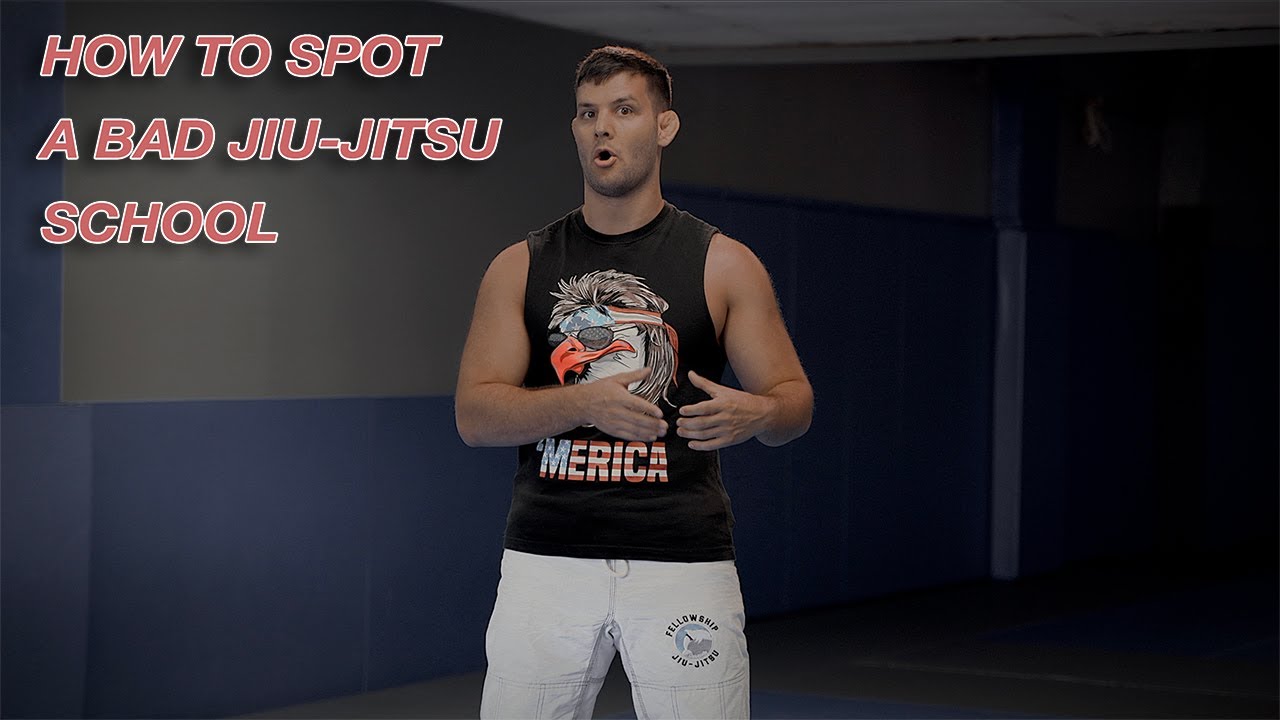
A beginner-friendly gym doesn't feel soft. It feels organized.
Key Questions to Ask Any Potential MMA Coach
Visitors to a gym often ask weak questions. They ask about price, class times, and whether they need gear. Those matter, but they won't tell you if the coaching is any good.
Ask better questions and you'll get the truth fast.

The questions that actually matter
How do you integrate brand-new students into class?
You want a real onboarding process, not “just jump in and figure it out.”What's your philosophy on sparring for beginners?
This is a huge one. A common pitfall in training is the overemphasis on high-intensity sparring, which leads to burnout and injury rather than skill acquisition. For beginners, MMA sparring should be limited to just 2 to 7% of weekly training time, according to T-Nation's breakdown of MMA training ratios. If a coach acts like hard rounds are the main path to improvement, that's a red flag.How do you tailor training for self-defense, competition, and general fitness?
A serious coach should have a real answer. Different goals require different emphasis.How do you maintain safety during live training?
Listen for specifics. Pairing strategy. Coach supervision. Expectations for control. Rules around intensity.
The answers you want to hear
A good coach won't get defensive when you ask direct questions. They'll appreciate that you care.
Look for answers like these:
- On beginners: They should mention fundamentals, close supervision, and gradual exposure to live resistance.
- On culture: They should talk about respect, control, and training partners helping each other improve.
- On progression: They should explain how students build skills over time instead of getting thrown into random chaos.
- On goals: They should be able to separate competition prep from self-defense and from general training.
If a coach can't explain their process clearly, they probably don't have one.
Questions that reveal the school's character
Some of the best questions are less obvious.
- How long have your coaches and long-term students stayed here?
- Can I watch a class before joining one?
- How do you handle students with injuries, anxiety, or long layoffs?
- Do you have a path for older adults or professionals who need practical training without fight intensity?
Those questions matter in Lindenhurst because a lot of adults searching for MMA coaches near me are not aspiring fighters. They're neighbors with jobs, families, old injuries, and real responsibilities.
Your Local Answer to Expert BJJ on Long Island
If you live in Lindenhurst or within about ten miles, the answer usually isn't to bounce between random MMA programs. It's to find a BJJ academy with real lineage, proven instruction, a safe room, and classes built for different types of students.
That matters even more here on Long Island, where people want practical training but don't want to waste months in a gym that treats every member like they're preparing for a cage fight.

What the best local option should offer
The right academy in Lindenhurst should check a few boxes immediately.
- World-class lineage tied to proven BJJ instruction, not vague branding.
- Beginner-friendly coaching that teaches control and fundamentals before intensity.
- Programs for different lives, not one-size-fits-all classes.
- A clean, disciplined culture where people can train consistently.
That last point matters for more than beginners. Adults over 40 now represent 34% of new martial arts enrollees, yet this aging demographic is often overlooked. A quality academy provides age-adapted classes focused on mobility and confidence, not just high-intensity competition training. If a school in Lindenhurst, Babylon, or West Babylon doesn't account for that, it's behind the curve.
Why this matters for Long Island families and professionals
The local demand isn't just one type of student.
Parents want structure and discipline for their kids. Adults want self-defense without getting beaten up. Law enforcement and security professionals need control, restraint, and positional awareness. Older students want mobility, balance, and confidence without reckless training partners.
A real BJJ academy can serve all of those groups because jiu-jitsu scales. It can be taught to the competitor chasing medals, the office worker trying to get in shape, the police officer needing better grappling control, and the older adult who wants to move better and feel capable again.
That's why I keep coming back to the same opinion. If you're in Lindenhurst and you're typing MMA coaches near me into Google, the smartest local answer is usually expert BJJ instruction with a Caio Terra standard behind it. The lineage matters. The teaching matters more.
Taking Your First Step onto the Mats
At this point, the search should feel a lot less confusing.
You don't need the gym with the loudest branding. You don't need the place that tries to impress you with toughness. You need a school near Lindenhurst that teaches Brazilian Jiu-Jitsu well, protects beginners, and gives you a structure you can stick with.
If you're nervous, that's normal. Almost everybody is nervous before their first class. The key is not to overthink it. Show up, watch how the room operates, ask smart questions, and trust what you see. Good BJJ instruction is easy to recognize once you know what to look for.
What to do next
Keep it simple.
- Pick a local academy within a realistic drive from Lindenhurst so consistency doesn't become a problem.
- Watch one class carefully before you judge the school by its website or social media.
- Talk to the instructor and ask the harder questions from the section above.
- Start with fundamentals instead of trying to “sample everything.”
- Commit long enough to learn what training feels like after the awkward first few sessions.
If you need a practical starting point, this guide on how to start Brazilian Jiu-Jitsu is worth reading before your first visit.
The decision that pays off later
The best part of starting BJJ isn't just self-defense. It's competence.
You carry yourself differently when you know how to base, frame, escape, control, and stay calm under pressure. That confidence spills into the rest of your life. You feel steadier. More capable. Harder to rattle.
That's why this search matters. When people around Lindenhurst ask me about MMA coaches near me, I steer them toward BJJ and a strong instructor every time. It's the cleaner path, the safer path, and for most adults, the more useful one.
If you're in Lindenhurst, West Babylon, Babylon, Copiague, Amityville, Farmingdale, or nearby, Korfhage BJJ | Caio Terra Academy Long Island is the place I'd tell you to visit first. It's located at 99 W. Hoffman Ave in Lindenhurst, offers a $99 unlimited classes trial, and it matches what matters: technical instruction, safe training, beginner-friendly structure, and programs for adults, kids, seniors, and law enforcement. If you're serious about starting, stop scrolling and get on the mats.