

A lot of people around Lindenhurst start looking into martial arts for the same reason. They want something practical. They want to get in better shape, feel less helpless in a bad situation, and train in a way that keeps their mind engaged instead of just repeating movements for the sake of tradition.
That’s where modern jiu jitsu stands out.
If you’ve watched grappling online, heard friends talk about BJJ, or driven through Lindenhurst, Babylon, West Islip, Copiague, or Amityville and wondered whether it’s worth trying, the biggest point to understand is simple. Modern jiu jitsu isn’t a trendy version of an old art. It’s the current expression of a martial art that keeps getting refined by live training, competition, coaching, and better teaching systems.
For beginners, that matters. You don’t need more information. You need the right information, taught in the right order, by someone who knows how to make it usable under pressure.
Why Brazilian Jiu Jitsu is a Game Changer for Self Defense
People often don’t need a martial art for a movie scene. They need one for the messy, close-range situations that happen. Someone grabs you. Someone rushes into your space. Someone is bigger, stronger, or more aggressive than you expected.
Brazilian Jiu Jitsu changes that equation because it teaches control, mechanical advantage, and positional decision-making at close range.

Why leverage matters in a real encounter
A beginner often thinks self-defense means hitting harder. That’s only part of the picture, and often not the most reliable part. In a real struggle, people clinch, stumble, grab clothing, fall into walls, and end up on the ground. If you don’t know how to manage those moments, strength alone won’t save you.
Jiu jitsu gives you a map for those positions. You learn how to:
- Break posture: disrupt someone’s balance before they can apply pressure
- Use frames: create space with your arms and legs instead of trying to bench-press a person off you
- Escape bad spots: get out from underneath someone who’s pinning you
- Control without panic: hold position long enough to stay safe and make a smart choice
That’s why so many people in Lindenhurst and nearby neighborhoods turn to BJJ when they want practical self-defense instead of theory. If you want a deeper look at that side of training, this guide on whether BJJ is good for self-defense is a useful starting point.
Practical rule: The best self-defense system is the one that still works when the other person is resisting hard.
The moment BJJ changed public opinion
Brazilian Jiu Jitsu didn’t become widely respected because of clever marketing. It earned attention when people saw it work against other styles under pressure. The growth of BJJ accelerated after Royce Gracie’s wins at UFC 1 in 1993, which showed how effective BJJ could be against other martial arts and brought thousands of athletes into academies worldwide, according to Infinitude Fight’s BJJ industry guide.
That visibility helped transform the art from a niche practice into a mainstream option for fitness and self-defense. The same source notes that the U.S. BJJ studio industry generated an estimated $2.5 billion in revenue in 2024.
Why that matters locally
Those numbers matter because they reflect access. In places like Lindenhurst, Massapequa Park, North Lindenhurst, and West Babylon, more people can now find serious instruction without traveling far or settling for outdated teaching.
The bigger point is this. BJJ became popular because people watched it solve a real problem. A trained person could stay calm, manage distance, control a stronger opponent, and finish the exchange without relying on wild athleticism. That’s why it remains a game changer for self-defense.
The Evolution From Traditional Roots to Modern Jiu Jitsu
When people hear modern jiu jitsu, they sometimes assume it means flashy techniques or social media trends. It doesn’t. It means the art has been sharpened by years of live resistance, rule changes, no-gi influence, MMA crossover, and better coaching methods.
The roots are still there. Position, pressure, timing, and mechanical advantage still matter. What changed is the speed of adaptation.
What changed in competition and why it matters
One of the clearest shifts happened in how matches are approached. According to this explanation of BJJ’s evolution, earlier tournaments focused more on points for maintaining dominant positions, while modern competition places greater emphasis on dynamic exchanges such as sweeps, guard passes, and submission attempts.
That change matters even if you never compete.
It changes how instructors teach. Instead of treating positions like static parking spots, modern jiu jitsu teaches movement between positions. You don’t just arrive in half guard, side control, or the back. You learn what reactions usually happen next, where the danger is, and how to flow into the next decision.
Traditional mindset and modern mindset
A simple comparison helps:
| Approach | Traditional emphasis | Modern jiu jitsu emphasis |
|---|---|---|
| Positions | Hold and stabilize | Hold, threaten, advance |
| Guard | Contain and slow down | Attack, off-balance, transition |
| Training | Technique in isolation | Technique connected to reactions |
| Pace | Measured and positional | Dynamic and adaptive |
Neither side is useless. Good modern training still respects fundamentals. The difference is that modern jiu jitsu doesn’t stop at fundamentals. It asks what still works against skilled resistance now.
Good jiu jitsu keeps the foundation and removes the dead weight.
The influence of no-gi, MMA, and technology
Modern jiu jitsu also reflects how people train today. No-gi grappling has changed hand fighting, movement, and scrambling. MMA pushed athletes to understand pressure, control, and urgency in a more realistic way. Technology also changed how students learn. Video study, online instruction, and performance tracking all make feedback faster and more specific.
For a beginner around Lindenhurst, that’s good news. You don’t need to decode a secret language or spend years guessing why a move fails. A modern academy should be able to explain not just what to do, but why it works, when to use it, and what usually goes wrong.
That last part is huge. Most frustration in jiu jitsu comes from confusion, not laziness.
Core Principles of the Modern Jiu Jitsu Game
Modern jiu jitsu can look complicated from the outside. You hear terms like inversions, K-guard, leg entanglements, pressure passing, wrestling up, and back takes. Beginners often assume they need to memorize everything at once.
They don’t.
The modern game still rests on a small number of core ideas. If you understand those ideas, the techniques stop feeling random.

Position still matters, but transitions matter more
Old-school students were often taught to win the position first and think about attacks second. That’s still true in part. The difference today is that transitions are treated as scoring opportunities, attacking windows, and defensive moments all at once.
A good example is guard passing. A beginner may think passing is one move. It isn’t. It’s a chain of pressure, angle changes, grip decisions, and reactions. If your partner turns in, you may switch directions. If they frame hard, you may change your head position. If they expose a leg, another attack opens.
Modern jiu jitsu teaches those chains earlier.
Angle recognition is the hidden skill
One of the biggest beginner problems isn’t toughness or flexibility. It’s not recognizing when their body is in a weak angle. Tom Barlow’s concept piece on angle awareness points out a critical gap in BJJ instruction. Students are often taught how to create angles in theory, but they aren’t always taught how to recognize weak angles in real time during live rolling.
That’s exactly where many new students in Lindenhurst get stuck.
They understand the move in drilling. Then sparring starts, the pace changes, and the move disappears. The reason is usually not memory. It’s perception. They haven’t yet learned to spot:
- Collapsed posture: when their spine and head position are no longer strong
- Misaligned hips: when their power can’t transfer into the movement
- Open elbows: when space appears for frames, underhooks, or submissions
- Poor angle on top or bottom: when they’re pushing straight instead of turning the corner
The student who sees the angle first usually looks faster, even when they aren’t.
Caio Terra’s approach makes modern jiu jitsu teachable
Caio Terra’s method matters so much. As a 12-time IBJJF world champion, he represents something important in modern BJJ. He’s not known for relying on size. He’s known for technical precision, mechanical efficiency, timing, and detail.
That’s the right lens for understanding the modern game.
Caio Terra’s style shows beginners that advanced jiu jitsu doesn’t start with athletic tricks. It starts with clean mechanics. A grip has a purpose. A hip angle has a purpose. Head position has a purpose. If a student learns those details, the game opens up. If they skip them, everything feels slippery and inconsistent.
Four principles worth remembering
Here’s a simple framework that holds up across gi, no-gi, self-defense, and sport:
Connection before movement
If you aren’t connected to your opponent correctly, your movement won’t transfer force.Angle before power
Good jiu jitsu rarely starts with pushing harder. It starts with rotating, redirecting, or getting beside the line of force.Control before submission
A choke or joint lock works better when the opponent’s posture and escape routes are already limited.Reaction before memorization
The best students don’t collect moves. They learn common reactions and build answers to them.
That’s the heart of modern jiu jitsu. It isn’t random innovation. It’s a smarter organization of timeless concepts.
Why A Great Instructor is Key to Unlocking Your Potential
A student can watch endless technique videos and still stay stuck for years. That happens all the time. The issue usually isn’t motivation. It’s that they don’t yet know what matters most, what to ignore, or what small mistake keeps breaking the whole movement.
That’s why the instructor matters as much as the art.
What a good instructor actually does
A strong coach doesn’t just demonstrate a move and walk away. They filter complexity. They know which details are essential for a first-month student and which details can wait. They can look at your stance, posture, or grip and spot the exact reason a technique keeps failing.
That kind of teaching saves time and prevents bad habits.
A beginner around Lindenhurst often comes in with the same concerns. Will I slow the class down? Am I too old? Too stiff? Too inexperienced? A great instructor answers those questions through structure, not hype. They create classes where new students can participate safely, understand the goal of each drill, and leave with one or two clear improvements instead of a fog of information.
The difference between showing and teaching
There’s a big difference between being skilled and being able to teach skill.
A talented athlete may perform a sweep beautifully and still have no idea how to explain it to a beginner. A real instructor can break the same movement into layers:
- First layer: where your feet, knees, hands, and head should be
- Second layer: what your partner’s resistance is likely to feel like
- Third layer: what adjustment fixes the common failure
- Fourth layer: when to abandon the move and switch to something else
That’s how technical jiu jitsu becomes usable jiu jitsu.
If you’re comparing schools, this guide to what to look for in jiu jitsu instructors can help you think beyond schedules and facilities.
A coach’s real value shows up when a confused beginner starts understanding why things happen.
Why lineage and teaching philosophy matter
Caio Terra is a strong example because his approach has always emphasized precision over force. That philosophy is valuable for everyone. It helps smaller students, older students, and complete beginners. It also improves bigger, stronger students by forcing them to sharpen their technique instead of leaning on attributes.
When that kind of method filters into an academy’s curriculum, students usually progress with less chaos. They aren’t asked to survive class. They’re taught to build skill deliberately.
That’s the difference a great instructor makes. They don’t just give you access to modern jiu jitsu. They help you understand it, trust it, and apply it.
Modern Training Methods for Real World Results
A modern class shouldn’t feel like a mystery. It should feel organized. You warm up with purpose, drill with a reason, and spar in a way that connects directly to the lesson.
That’s one of the best changes in modern jiu jitsu. Training is getting smarter.

How modern classes build skill faster
Older training models often relied too much on collecting isolated techniques. Students would learn a move of the day, repeat it a few times, then roll and hope it appeared. Sometimes it did. Often it didn’t.
Modern jiu jitsu tends to use more specific training and situational rounds. That means if the lesson is guard passing, students don’t just watch a pass. They start in the passing position and work through the exact reactions they’re likely to face.
That approach helps beginners because it shrinks the problem. Instead of asking, “How do I do jiu jitsu?” the class asks, “How do I solve this one position?”
A typical modern structure may include:
- Targeted drilling: one movement pattern repeated with clear coaching feedback
- Positional sparring: starting in a narrow scenario like side control escape or half guard passing
- Constraint-based rounds: limiting options so students focus on one skill
- Full rolling: using the lesson in a live setting once the pattern starts making sense
For students who want to improve their conditioning alongside mat skills, these jiu jitsu workouts for better performance can complement regular training.
Why biomechanics matter even for beginners
Technology also plays a role in modern coaching. According to Kioto BJJ’s discussion of the new era of jiu jitsu, wearable technology can provide real-time biomechanical feedback, and data from that context shows that suboptimal hip rotation, common in 70% of beginner guard passes, leads to 40% higher energy expenditure.
Even if you never wear a device, the lesson is practical. Bad mechanics waste gas.
A new student often feels tired not because they’re out of shape, but because they’re moving inefficiently. Their hips face the wrong direction. Their arms do work the legs should do. Their posture leaks pressure. Modern instruction fixes those details early.
Coaching insight: If a movement feels like a strength contest, check your angle before you blame your conditioning.
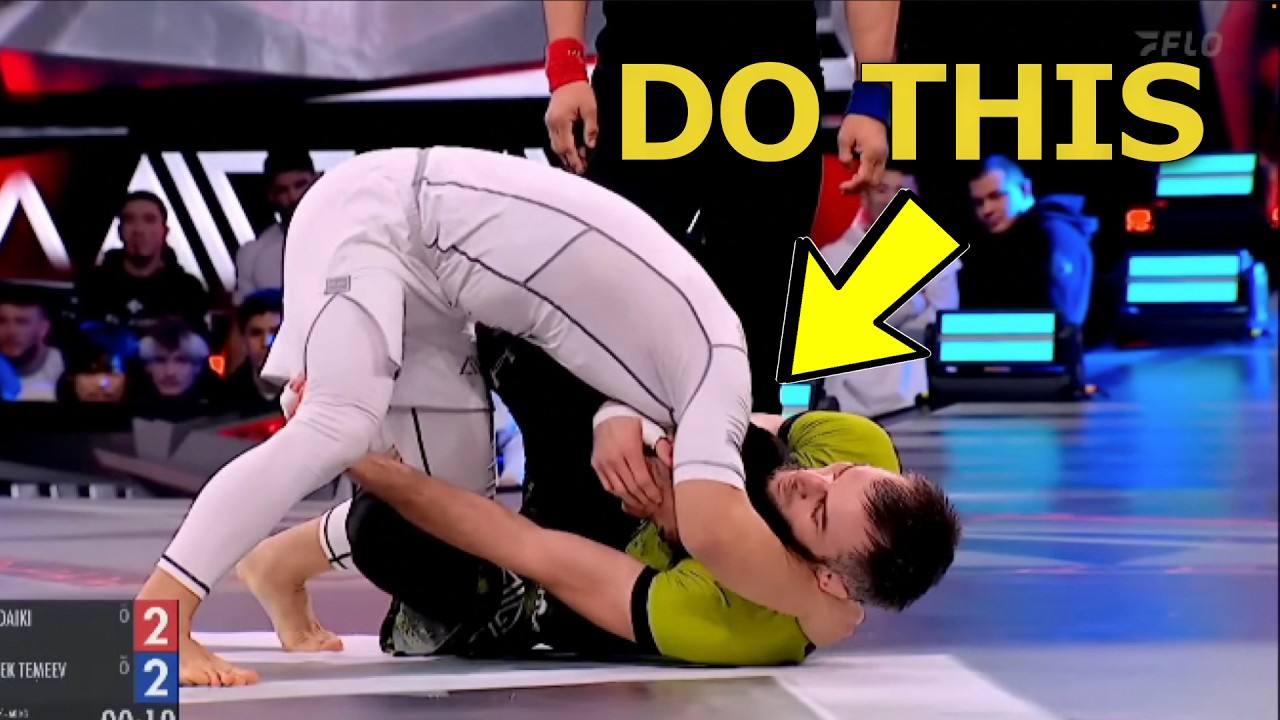
Here’s a useful visual example of modern movement and drilling in action:
Real world results come from repeatable training
For adults, parents, older students, and law enforcement professionals around Lindenhurst, good training has to be repeatable. That means safe enough to sustain, technical enough to improve, and realistic enough to matter.
Modern jiu jitsu works best when classes don’t depend on intimidation or chaos. The room should challenge you, but it should also teach you. When training is structured that way, students build timing, confidence, and composure that carry over off the mat.
Experience Modern Jiu Jitsu at Korfhage BJJ in Lindenhurst
If you live in Lindenhurst or within about ten miles of it, modern jiu jitsu isn’t something you need to admire from a distance. You can train it close to home in a setting built for real learning.
That matters more than people think.
A lot of adults in Lindenhurst, Babylon, West Babylon, West Islip, Copiague, Amityville, North Lindenhurst, and Farmingdale want the benefits of BJJ, but they don’t want an environment that feels chaotic, ego-driven, or impossible to enter as a beginner. They want a school that teaches clearly, trains safely, and respects the fact that different students come in with different goals.

What local students usually need
The needs are often straightforward, even if the students are different.
| Student type | What they usually want from modern jiu jitsu |
|---|---|
| Adult beginner | Practical self-defense, fitness, and a clear path to improvement |
| Parent | Structure, discipline, and a safe learning environment for kids |
| Older adult | Better movement, balance, confidence, and sustainable training |
| Law enforcement professional | Control skills, pressure management, and applied defensive tactics |
A good academy can meet those needs without pretending every student should train the same way.
Why the Caio Terra connection matters here
For local students, the connection to Caio Terra’s technical approach is important because it keeps the focus where it belongs. On mechanical advantage, detail, timing, and efficient mechanics. That’s what makes jiu jitsu accessible to smaller people, older beginners, and anyone who doesn’t want to rely on raw force.
It also raises the teaching standard.
When an academy is built around a detail-oriented method, students are less likely to get lost in random techniques. They learn how to stand, grip, frame, pass, escape, and attack with purpose. The art starts making sense sooner.
You don’t need to be advanced to benefit from advanced instruction. You need advanced instruction that’s taught at your level.
A practical option for Lindenhurst and nearby communities
Korfhage BJJ | Caio Terra Academy Long Island is located at 99 W. Hoffman Ave, Lindenhurst, and serves students across the surrounding area. Since 2007, the academy has focused on technical, safe, beginner-friendly Brazilian Jiu Jitsu instruction for adults, kids, seniors, and law enforcement.
That combination matters. A clean school, an organized curriculum, experienced coaches, and a supportive training culture make a huge difference in whether people stick with jiu jitsu long enough to feel its real benefits.
For many people, the hardest part is just starting. A no-risk $99 unlimited classes trial lowers that barrier. It gives new students a chance to feel the environment, learn the basics, and decide whether modern jiu jitsu fits their goals without guessing from the outside.
If you’re in Lindenhurst or nearby and you’ve been waiting for the right time to try BJJ, this is the simplest advice I can give you. Start before you feel ready. Good instruction will take care of the rest.
If you want technical, beginner-friendly training in a welcoming environment, Korfhage BJJ | Caio Terra Academy Long Island offers modern jiu jitsu for adults, kids, seniors, and law enforcement at 99 W. Hoffman Ave in Lindenhurst. The academy offers a $99 unlimited classes trial, so you can step on the mats, meet the coaches, and experience the training for yourself.