

Looking for more than just an after-school activity?
If you're a parent in Lindenhurst, Babylon, Copiague, Amityville, West Babylon, or nearby Long Island communities, you probably aren't just trying to fill an hour after school. You want your child doing something that helps them grow. Better focus. Better habits. More confidence. Real composure when things get hard.
A lot of programs promise that. Not all of them deliver it the same way.
That’s why Brazilian Jiu-Jitsu stands apart. In the right academy, BJJ teaches kids how to think under pressure, solve problems with their body and mind, and build confidence through earned progress instead of empty praise. It isn’t about being the loudest or strongest kid in the room. It's about learning effective technique, timing, discipline, and control.
That difference matters.
It also matters who teaches it. A good instructor can turn martial arts into one of the most productive influences in a child’s week. A poor instructor can turn it into noise, chaos, or a belt-chasing routine with very little real development behind it.
For families in the Lindenhurst area, that instructor-led piece is a big reason BJJ under the Caio Terra approach gets such strong results. Caio Terra, a 12-time IBJJF world champion, is known for a technical style built on precision, strategic advantage, fundamentals, and intelligent problem-solving. For kids, that approach makes sense. It rewards attention, patience, and skill over size.
These are the benefits of martial arts for kids, and why Brazilian Jiu-Jitsu often gives parents more than they expected.
1. Improved Focus and Concentration
BJJ forces kids to pay attention in a way many activities don’t.
A child can’t drift through class and still do well. They have to listen to instructions, remember steps, recognize reactions from a partner, and make small adjustments in real time. That constant loop of observe, think, and act is one of the clearest benefits of martial arts for kids.
Why BJJ sharpens attention
In Brazilian Jiu-Jitsu, details matter. Hand position matters. Hip angle matters. Timing matters. A child learns quickly that “almost right” usually doesn’t work.
That’s useful.
Instead of relying on raw speed or aggression, kids learn to slow down mentally and focus on what’s happening. That habit often carries over into schoolwork, classroom behavior, and following directions at home. The American Academy of Pediatrics notes martial arts can support cognitive and motor skills, reduce stress, and improve school performance in children through structured training and goal-based progression in its guidance on martial arts for children.
A good instructor strengthens that effect by explaining the reason behind each movement, not just demanding repetition.
Practical rule: If your child’s class feels like nonstop chaos, they may be getting exercise, but they’re probably not getting much focus training.
What works and what doesn’t
What works:
- Consistent attendance: Kids who train regularly usually settle into the rhythm of class faster.
- Technical instruction: Coaches who explain cause and effect help kids stay mentally engaged.
- Clear class structure: Warm-up, drill, guided practice, and controlled sparring give attention a framework.
What doesn’t:
- Endless yelling: Loud classes can create motion without concentration.
- Technique overload: If an instructor throws too much at beginners, kids stop retaining details.
- Treating class like daycare: BJJ works best when instructors expect effort and give guidance, not when they manage behavior.
In the Lindenhurst area, a technical academy makes a difference. Under a Caio Terra-style method, children learn that attention isn’t optional. It’s part of how they succeed.

2. Enhanced Physical Fitness and Motor Skills
Parents often start martial arts because their child needs more activity. That’s a good reason. It just shouldn’t be the only reason.
BJJ develops fitness in a very complete way. Kids push, pull, post, crawl, bridge, balance, turn, and recover their base. Those are real movement skills, not just repetitive exercises.
What kids build on the mat
A 2022 systematic review in the National Library of Medicine found martial arts programs for preschool and school-aged children produced statistically significant improvements in physical fitness measures including cardiorespiratory fitness, speed, agility, strength, flexibility, coordination, and balance in its review of martial arts and children’s physical fitness.
That lines up with what coaches see every week. Kids become more coordinated. They stop moving like separate parts and start moving like one connected system.
In BJJ specifically, that matters because the art depends on body awareness. A child learns where their weight is, how to shift it, and how to stay stable while another person is trying to move them. That develops proprioception in a very practical way.
A short outside perspective on the mental side of performance also helps parents connect the dots between movement and confidence in mental coaching for young athletes.
Why BJJ is different from random activity
A lot of kids are active but still uncoordinated. Running around isn’t the same as learning control.
BJJ gives kids repeated, coached movement patterns:
- Balance under pressure: They learn to keep posture and base while a partner moves them.
- Functional strength: They carry their own bodyweight and manage another person’s pressure.
- Mobility with purpose: Flexibility improves because positions demand it.
- Conditioning through engagement: Kids work hard because the task is interesting.
That last part matters. The same review notes that regular martial arts training can contribute significantly to physical activity levels, aiding in healthy weight maintenance and cardiovascular health.
Kids stick with exercise longer when it feels like problem-solving and play, not punishment.
For families around Lindenhurst, West Babylon, and Copiague, that’s one reason BJJ often lasts longer than general fitness programs. Children enjoy the process, so they keep showing up.

3. Increased Self-Confidence and Self-Esteem
Real confidence has to be earned.
Kids know the difference between praise that’s automatic and praise that means something. BJJ tends to build the second kind. A child struggles with a movement, keeps practicing, finally gets it right against a resisting partner, and feels the result for themselves.
That’s a stronger foundation than “good job” for showing up.
Confidence through visible progress
Martial arts participation has been linked to enhanced mental health and stronger self-control, and research summarized in pediatric guidance also connects it with reduced violent behavior, rule-breaking, and impulsivity. When kids train in a structured environment with individual progression, they build self-esteem through achievable goals rather than team pressure, as described in the American Academy of Pediatrics resource already noted earlier.
For many children, especially the quieter ones, that individual progression is a major advantage. They don’t have to dominate a game or outshine a whole group. They just have to improve.
That’s one reason BJJ works well for kids who are hesitant at first. They can build confidence privately before they start showing it publicly.
If you have a younger child and you want to see how that process starts early, this overview of Jiu Jitsu for 4 year olds is useful.
What parents should look for
Not every academy builds confidence well. Some only reward the naturally athletic kids. Some overemphasize competition. Some hand out praise so freely that it stops meaning anything.
A better approach looks like this:
- Kids earn recognition: Promotions and praise follow effort, behavior, and skill growth.
- Beginners feel safe: New students aren’t thrown into situations that embarrass them.
- Progress is individual: One child’s timeline isn’t used to shame another.
- Instructors notice small wins: Better posture, calmer reactions, and improved listening all count.
At a well-run BJJ academy in Lindenhurst, confidence usually shows up first in small ways. A child makes eye contact more often. Speaks up. Tries again after failing. Volunteers to drill with someone new.
That’s not fake confidence. That’s growing self-respect.
4. Development of Discipline and Self-Control
Discipline is one of the most talked-about benefits of martial arts for kids. It’s also one of the most misunderstood.
A lot of parents picture discipline as obedience. In good BJJ, it’s more than that. It’s emotional control, patience, consistency, and the ability to follow a process even when a child would rather rush or quit.
How discipline is taught
In a structured class, kids bow in, line up, listen, wait, drill carefully, and treat partners with respect. Those routines matter, but they aren’t enough by themselves. Real discipline develops when a child understands that careless behavior hurts their own progress.
BJJ teaches that lesson quickly.
If a student explodes through every movement, they lose position. If they stop listening, they miss details. If they get frustrated and force things, the technique usually falls apart. The art itself gives immediate feedback.
The same pediatric guidance mentioned earlier notes martial arts practitioners show greater self-control and lower impulsivity than non-participants. That fits the BJJ environment well because children have to regulate themselves constantly during partner work.
For families interested in this specific outcome, Korfhage’s page on martial arts for discipline reflects the kind of structured teaching parents should be looking for.
The instructor matters more than the curriculum sheet
I’ve seen disciplined kids come out of very different personalities in class. The common factor wasn’t style. It was coaching.
Good instructors:
- Set clear boundaries: Kids know what behavior is expected.
- Correct calmly: They don’t confuse intimidation with leadership.
- Stay consistent: Rules don’t change based on mood.
- Tie behavior to progress: Children learn that maturity affects training opportunities.
Poor instructors often miss the mark in two ways. They either run a loose class where nothing is enforced, or they use fear and volume to manufacture order. Neither creates lasting self-control.
The best kids’ classes don’t just make children quieter. They make them more responsible.
That’s the discipline parents in Lindenhurst and nearby towns want. Something that shows up in homework, routines, and how a child handles frustration at home.
5. Practical Self-Defense Skills and Personal Safety Awareness
A lot of martial arts marketing gets this wrong.
Kids don’t need fantasies about beating up bullies. They need calm habits, boundary awareness, and a practical understanding of what to do if someone grabs, pushes, or crowds them. BJJ is especially useful in this regard.
Why BJJ is practical for real situations
Brazilian Jiu-Jitsu focuses on mechanical advantage, control, escapes, and positional understanding. For children, that’s a strong fit because it doesn’t depend on being bigger or stronger than the other person.
A child can learn how to break grips, create space, protect themselves on the ground, and move to a safer position. Just as important, they learn what control feels like. That reduces panic.
This approach also tends to be safer to train because BJJ classes can practice resistance with control. Kids learn what works, not just what looks good in the air.
If safety is one of your first questions, this page on is Brazilian Jiu Jitsu safe addresses the issue parents usually raise first.
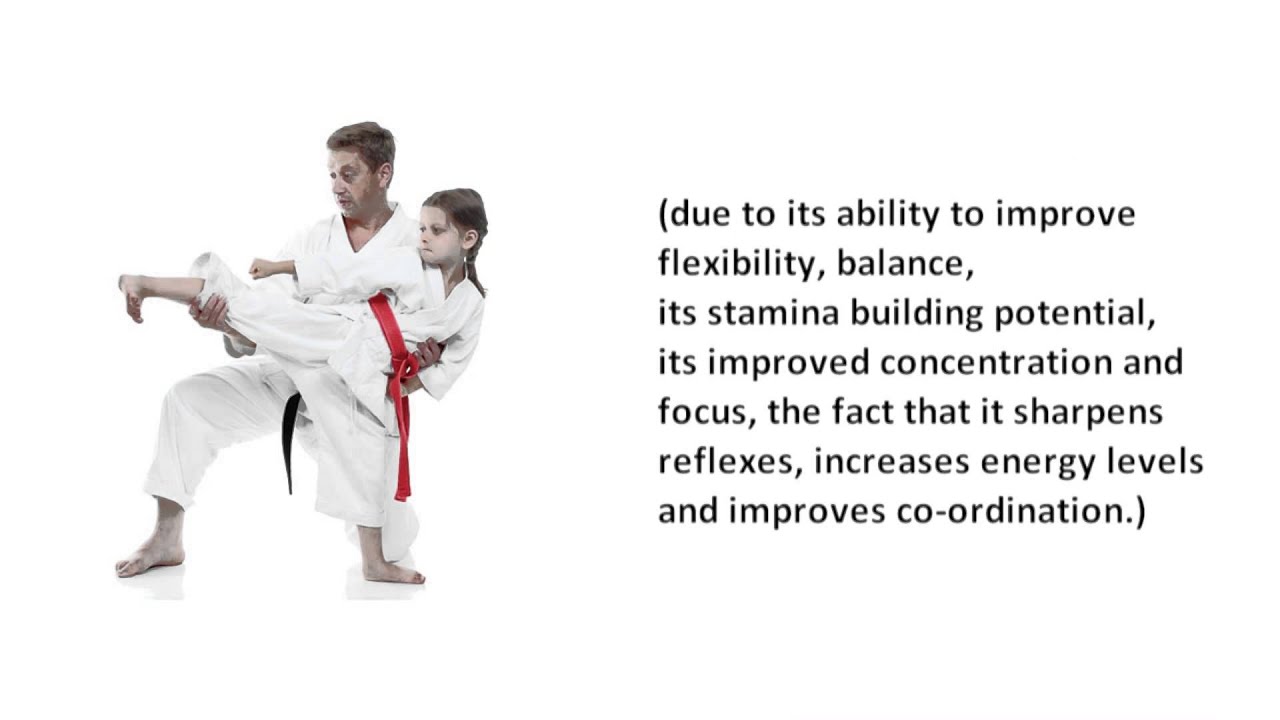
A short visual example helps here:
What good self-defense instruction includes
The best kids’ self-defense training doesn’t start with fighting. It starts with judgment.
A solid BJJ program teaches:
- Awareness: Notice space, posture, and unsafe behavior early.
- Boundaries: Use voice, distance, and adult support first.
- Escape first: The goal is to get free, not “win.”
- Control under stress: Kids learn not to freeze when contact happens.
- Last resort thinking: Physical response comes after avoidance fails.
What doesn’t help is turning self-defense into performance. Flashy combinations, unrealistic scenarios, and macho talk usually impress adults more than they protect children.
For parents in Lindenhurst, North Lindenhurst, Babylon, and Amityville, the practical question is simple. If your child is ever in trouble, do they know how to stay calm, create space, and get help? BJJ supports that better than many striking-based kids programs because it spends so much time on contact, control, and real resistance.
6. Emotional Regulation and Stress Management
Some kids come into class wound tight. Others come in distracted, frustrated, or carrying the whole day on their shoulders.
A good BJJ class gives them a productive place to process that.
Training teaches calm under pressure
Research on martial arts in children connects participation with enhanced mental health and positive socio-psychological outcomes, including reduced aggressiveness and increased self-confidence in the National Library of Medicine review noted earlier. That matters because emotional regulation isn’t just about “feeling better.” It’s about responding better.
BJJ helps because pressure is built into the activity.
A child gets stuck under someone. They feel uncomfortable. They want to react fast. Then they learn to breathe, frame, move, and solve the problem step by step. That’s emotional regulation in physical form.
Kids who train regularly also get repeated experience with frustration. They fail a technique. Get swept. Lose a position. Then class keeps going. They recover and try again.
That cycle builds tolerance for stress in a way lectures usually don’t.
The right room makes the difference
Not every hard class helps kids regulate emotion. Some just overstimulate them.
What works better:
- A supportive tone: Coaches correct without shaming.
- Controlled sparring: Kids experience challenge without chaos.
- Predictable routines: Structure lowers anxiety.
- Debriefing moments: A coach who can help a child reset matters.
The 2022 pediatric meta-analysis on martial arts interventions also reported high user satisfaction and socio-psychological benefits in children after intervention programs in its review of martial arts for youth development and coordination challenges.
For some children, especially those who struggle to sit and talk through stress, movement is the doorway. BJJ gives them a safe, rule-bound outlet that still demands control.
A child doesn’t learn calm by avoiding pressure. They learn it by handling manageable pressure well.
That’s one reason parents from Lindenhurst and nearby areas often notice changes outside the academy first. Fewer meltdowns. Better recovery after disappointment. More patience when things don’t go their way.
7. Development of Social Skills and Positive Relationships
BJJ is individual, but it isn’t isolating.
Kids train with partners every class. They need to cooperate, communicate, take turns, and respect other children with different sizes, personalities, and experience levels. Done well, that creates better social growth than many parents expect.
Why partner training builds healthier interaction
In BJJ, your child can’t succeed alone in the room. They need training partners. They need to learn how to work with someone, not just against them.
That creates useful social pressure. A student has to learn how to be safe, how to listen, and how to give a good round to somebody else. More experienced children often start guiding newer kids naturally because they remember what being new felt like.
The research base summarized earlier includes findings of enhanced social skills and self-confidence after youth martial arts interventions, with many participants reporting those gains in validated post-intervention assessments. That social piece is easy to overlook if you only think of martial arts as self-defense.
For some children, especially those who are shy or awkward in fast-moving team settings, BJJ offers a better entry point. One partner. One task. One clear role.
Families also sometimes combine in-person structure with other support when needed, such as online social skills groups for kids, but a strong martial arts class often gives children a real-world place to practice those skills immediately.

What good academy culture looks like
Parents in Lindenhurst should watch the room before joining any kids program.
Look for:
- Kids helping each other: Not mocking mistakes.
- Coaches who pair students thoughtfully: Good pairings improve both safety and connection.
- Respect across ages and levels: Older kids should model behavior, not dominate the room.
- A welcoming rhythm: New students should be included quickly.
When that culture is present, friendships tend to form around shared effort instead of popularity. That’s a healthier base than many kids get in competitive youth environments.
8. Resilience and Growth Mindset Development
This may be the biggest long-term benefit.
BJJ teaches children how to fail without falling apart.
That sounds harsh until you see it in practice. A child tries a technique, gets stopped, adjusts, and tries again. They get submitted in controlled sparring, learn what happened, and come back better next round. The mat turns failure into information.
Why BJJ develops resilience better than easy success
Some activities protect kids from discomfort so much that they never build recovery skills. BJJ does the opposite in a healthy way. It gives them manageable struggle over and over.
That process supports a genuine growth mindset. Progress comes from repetition, humility, and problem-solving. Kids learn that being bad at something today doesn’t say much about what they can become with work.
One of the more overlooked long-term points in the available material is that martial arts participation has also been linked to improved cognitive performance and, in broader educational analyses, positively correlates with long-term economic well-being. The source material discussing how martial arts helps kids who struggle in other disciplines highlights that longer view, even though most parent conversations focus only on short-term confidence or fitness.
That’s worth thinking about. The deeper payoff may be who the child becomes, not just what they can do this month.
How parents can support this at home
The wrong parent response can weaken resilience, even in a great academy.
Better habits include:
- Ask what they learned: Not whether they won.
- Praise consistency: Showing up matters.
- Normalize plateaus: Every child hits them.
- Avoid comparison: Another kid’s belt or speed isn’t the point.
“Did you improve one thing today?” is a better question than “Did you beat anybody?”
Around Lindenhurst and the surrounding towns, many parents start BJJ because they want confidence or self-defense. They stay because they see resilience develop. Their child becomes harder to discourage. More coachable. Less afraid to try difficult things.
Kids Martial Arts: 8-Benefit Comparison
| Benefit | Implementation Complexity 🔄 | Resource Requirements & Time ⚡ | Expected Impact 📊 | Ideal Use Cases 💡 | Key Advantages ⭐ |
|---|---|---|---|---|---|
| Improved Focus and Concentration | Moderate: technical curriculum, instructor guidance 🔄 | Regular practice (2–3×/wk); 3–6 months to observe change ⚡ | Better attention, working memory, classroom behavior 📊 | Children needing improved school attention or executive function 💡 | Teaches real-time problem-solving and precision-based focus ⭐⭐⭐ |
| Enhanced Physical Fitness and Motor Skills | Low–Moderate: skill-based drills and conditioning 🔄 | Classes + active participation; visible gains in 4–8 weeks ⚡ | Increased strength, flexibility, coordination, endurance 📊 | Kids needing general fitness, motor skills, or multi-sport support 💡 | Builds functional, low-impact athleticism through play-like drills ⭐⭐⭐ |
| Increased Self-Confidence and Self-Esteem | Moderate: progression system and supportive coaching 🔄 | Consistent attendance; noticeable in 8–12 weeks ⚡ | Higher self-esteem, social initiative, body confidence 📊 | Shy children or those needing achievement-based confidence boosts 💡 | Clear milestones (belts) and peer recognition foster real confidence ⭐⭐⭐ |
| Development of Discipline and Self-Control | Moderate: structured rules and repeated routines 🔄 | Regular schedule (2–3×/wk); behavioral changes in 6–12 weeks ⚡ | Improved impulse control, follow-through, respect for rules 📊 | Children with impulsivity or needing routine and boundaries 💡 | Reinforces respect, patience, and consistent effort ⭐⭐⭐ |
| Practical Self-Defense Skills and Safety Awareness | Moderate: technique-focused, scenario training 🔄 | Ongoing practice; basic skills in 2–3 months, advanced 6–12 months ⚡ | Better situational awareness and escape techniques 📊 | Parents seeking real-world safety skills for children ages 6+ 💡 | Emphasizes strategic advantage and control over strength; applicable across sizes ⭐⭐⭐ |
| Emotional Regulation and Stress Management | Low–Moderate: safe exposure and guided processing 🔄 | Consistent participation; benefits start in 2–4 weeks ⚡ | Reduced anxiety, improved coping, emotional resilience 📊 | Anxious children or those needing healthy outlets for stress 💡 | Provides physical outlet, mindfulness, and community support ⭐⭐⭐ |
| Development of Social Skills and Positive Relationships | Low: partner work and community norms 🔄 | Regular attendance fosters relationships; 6–12 weeks to notice ⚡ | Better communication, empathy, peer networks 📊 | Kids needing social confidence or teamwork opportunities 💡 | Partner drills and mentorship build friendships and leadership ⭐⭐⭐ |
| Resilience and Growth Mindset Development | Moderate: frequent, controlled failure and reflection 🔄 | Long-term commitment; mindset shifts in 3–6 months, deep in 1–2 yrs ⚡ | Increased persistence, adaptability, reduced fear of failure 📊 | Children needing perseverance, academic or personal setbacks 💡 | Normalizes failure as learning; strengthens grit and problem-solving ⭐⭐⭐ |
Your Child's Journey Starts on the Mats in Lindenhurst
The benefits of martial arts for kids are easiest to believe when you see them in daily life.
You see them when a child starts listening better, not because someone threatened consequences, but because they’ve learned how to pay attention. You see them when frustration doesn’t turn into a meltdown quite as fast. You see them when a shy kid starts speaking with more certainty, or when an energetic kid starts using that energy with more control.
That’s the true value of Brazilian Jiu-Jitsu. It reaches far beyond self-defense.
For children, BJJ is powerful because it combines physical effort with problem-solving. They aren’t just memorizing motions. They’re learning how to think, adapt, and stay composed while another person gives them resistance. That makes the lessons stick. It’s one thing to tell a child to stay calm. It’s another thing for them to feel that calm help them escape a bad position, complete a technique, or recover after a mistake.
The instructor is the deciding factor.
A good coach creates challenge without intimidation. They keep classes safe without making them soft. They teach discipline without humiliating kids. They explain details clearly, demand respect, and help children understand why technique matters. That’s especially important in Brazilian Jiu-Jitsu, where efficient movement, timing, and decision-making matter more than brute force.
That’s also why the Caio Terra philosophy fits children so well. Caio Terra’s reputation in Jiu-Jitsu is built on technical precision, efficiency, and intelligent movement. For kids, that creates the right message early. Skill beats recklessness. Thinking beats panicking. Patience beats forcing things.
For families in Lindenhurst, Babylon, Copiague, Amityville, West Babylon, and nearby Long Island neighborhoods, the goal shouldn’t be finding just any martial arts program. It should be finding one that teaches with purpose, keeps kids safe, and builds character through consistent, technical instruction.
Korfhage BJJ | Caio Terra Academy Long Island is one local option for families looking for that kind of environment. The academy has operated since 2007 and offers kids’ Brazilian Jiu-Jitsu in Lindenhurst with a beginner-friendly, technical approach. If you want to see whether BJJ is the right fit for your child, visiting the academy in person matters more than reading a sales pitch. Watch a class. See how the coaches interact with the kids. Look at how students treat each other.
You’ll usually know quickly whether the room is building something worthwhile.
Visit 99 W. Hoffman Ave, Lindenhurst, NY, and let your child experience what structured, technical Jiu-Jitsu can do on the mats and beyond.
If you're in Lindenhurst or nearby Long Island communities and want your child to build focus, discipline, confidence, and practical skills through Brazilian Jiu-Jitsu, Korfhage BJJ | Caio Terra Academy Long Island offers kids classes with a technical, beginner-friendly approach. You can learn more about the program, class options, and getting started on their website.